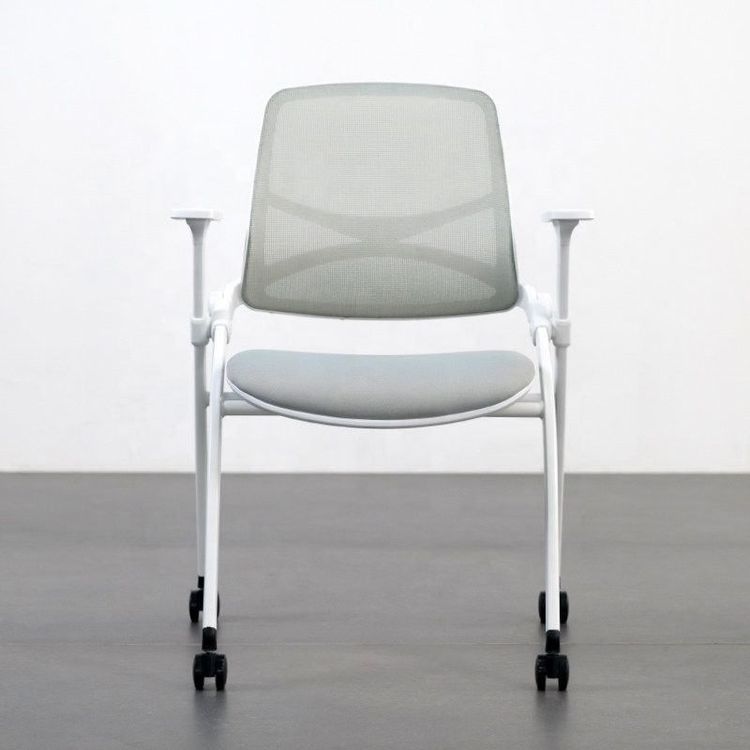
Office Chair Seat Sliding
The issue of office chair seat sliding can be effectively resolved through targeted measures, requiring a comprehensive approach from the seat cushion, chair legs, and sitting posture.

1. Resolving Seat Cushion Sliding Issues
Seat cushion sliding often results from insufficient material friction or improper fastening methods. Prioritize selecting seat cushions with anti-slip designs on the bottom, such as those made of silicone particles, anti-slip dotted plastic, or rubber textures. These materials can significantly increase friction with the chair surface. If the existing cushion lacks anti-slip functionality, it can be secured using the following methods:
- Strap-based fastening: Use a cushion with elastic straps, wrapping the straps around the bottom of the chair surface or chair legs to secure the cushion's position through tension.
- Hook/buckle-based fastening: Some cushions are designed with hooks or buckles that can be directly connected to grooves or holes on the edge of the chair surface, ensuring the cushion remains stable.
- DIY fastening: If the cushion lacks dedicated fastening devices, use removable double-sided tape or Velcro to stick it to the bottom of the cushion where it contacts the chair surface, temporarily enhancing friction.
2. Resolving Chair Leg Sliding Issues
Chair leg sliding is often caused by smooth chair leg materials or low ground friction. Modifying the chair legs or the ground is crucial:
- Adding anti-slip foot pads/covers: Attach rubber anti-slip pads to the bottom of the chair legs or cover them with silicone anti-slip covers to reduce sliding by increasing contact surface friction. These accessories are inexpensive and easy to install, suitable for most chair leg types.
- Laying anti-slip mats: If chair leg sliding is related to the ground material (such as tiles or smooth wooden floors), place PVC or rubber anti-slip mats under the chair to protect the ground and enhance stability.
- Adjusting chair leg structure: Some chairs support adjusting the angle of the chair legs or changing the type of casters (such as switching from hard wheels to soft rubber wheels) to reduce sliding by altering the contact method.
3. Adjusting Sitting Posture and Chair Settings
Incorrect sitting posture or improper chair height settings can exacerbate sliding issues. Ensure the following:
- Appropriate seat height: Adjust the chair height so that your feet rest flat on the ground and your thighs are parallel to the ground. This positions your center of gravity naturally on your hips, reducing sliding caused by leaning forward or backward.
- Maintaining correct sitting posture: Avoid sitting with your legs crossed or leaning back for extended periods, as these postures can alter the distribution of your center of gravity and increase the risk of sliding. It is recommended to keep your back against the chair backrest and use it for support to maintain stability.
- Regularly checking chair condition: If the chair has been in use for a long time, check for wear on the chair legs and looseness of the casters. Replace aging parts promptly to restore anti-slip performance.
By implementing the above measures, you can systematically resolve the issue of office chair seat sliding, enhancing comfort and safety during use.