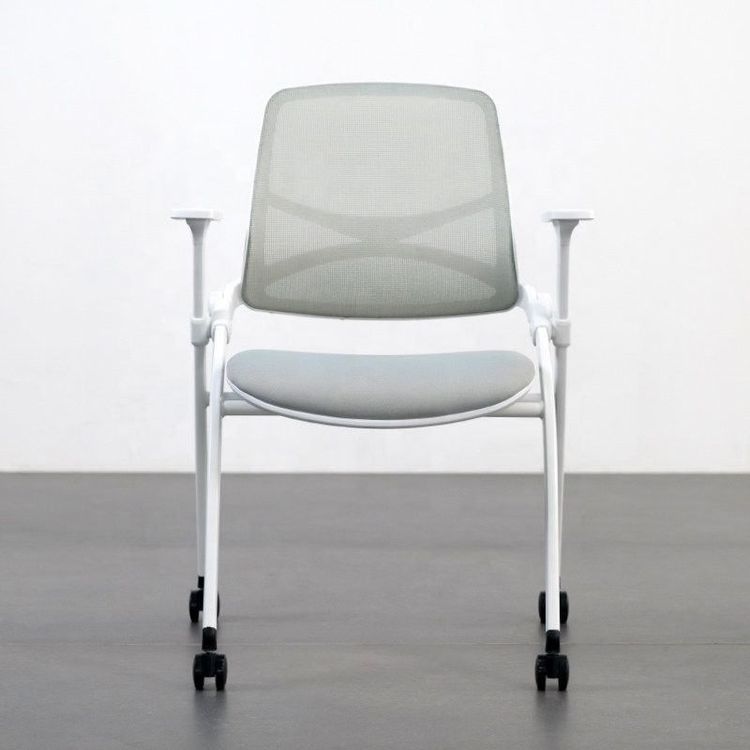
Office Chair Seat Cushion Elasticity
The elasticity of office chair seat cushions varies due to differences in materials and design, primarily influenced by material structure, craftsmanship, and ergonomic design.

1. Elastic Mechanism of Sponge Cushions
The elasticity of sponge cushions stems from the elastic deformation capability of their three-dimensional grid structure. The core influencing factors include the type of sponge (raw materials and ratios for foaming) and the foaming process. For example, polyurethane sponge forms a porous structure through chemical foaming. Sponges with uniform pores and higher density provide support through the bending and rebound of pore walls when compressed. Density is positively correlated with elasticity—the higher the density (e.g., high-density sponge above 45D), the stronger the intermolecular forces per unit volume, resulting in faster rebound speed and less sagging after prolonged use. Additionally, some sponges employ "slow rebound" technology, which adjusts the foaming formula to create a finer pore structure. This allows for slow deformation under pressure but rapid recovery, better dispersing pressure on the buttocks.
2. Optimization of Elasticity Through Special Designs
Some cushions enhance elasticity through ergonomic designs. For instance, central depression or hollowed-out designs reduce pressure on the ischial region while utilizing the elastic support of surrounding materials to create a "floating sensation," reducing fatigue from prolonged sitting. Zoned support structures (e.g., higher front and lower back or independent left-right elastic modules) dynamically adjust support intensity based on sitting posture, preventing localized over-compression and elasticity degradation. Such designs require a combination of material elasticity and structural mechanics to ensure even pressure distribution and lasting rebound.
3. Elastic Characteristics of Honeycomb Gel Cushions
Honeycomb gel cushions are made of silicone or TPE materials in a honeycomb structure, with elasticity derived from the material's flexibility and the geometric stability of the structure. The hexagonal cells of the honeycomb disperse pressure through deformation, while the gel material offers high rebound rate (over 90%) and low hysteresis loss (rapid energy recovery after deformation), allowing quick restoration even under prolonged pressure. Additionally, gel conducts heat better than sponge, reducing stuffiness and further enhancing comfort during extended sitting.
Summary: Choosing the right elasticity for office chair seat cushions requires considering usage scenarios and needs. High-density sponge is suitable for scenarios requiring strong support (e.g., office work, gaming); ergonomic design cushions are ideal for prolonged sitting; honeycomb gel cushions balance elasticity and breathability, making them suitable for summer or individuals prone to sweating.