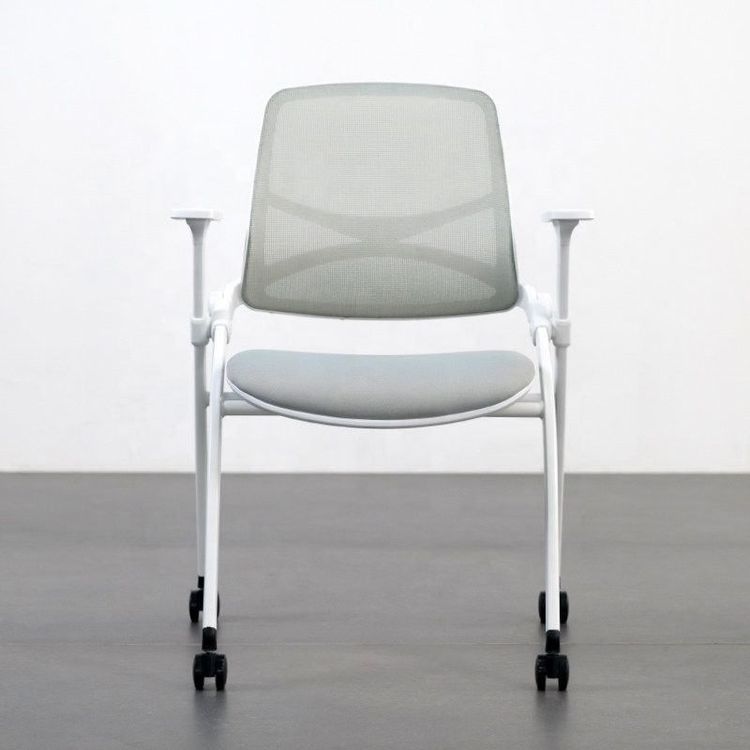
Office Chair Round Base
The rotating 'round base' beneath an office chair is officially known as the base or swivel base, which serves as the core support and adjustment mechanism of the office chair. It primarily performs the following functions:

1. Horizontal Rotation
The base enables the chair seat (including cushion and backrest) to rotate 360 degrees horizontally around the axis of the gas lift cylinder through a precision rotating shaft structure. This function significantly enhances flexibility in office settings, allowing users to turn around to retrieve items, communicate with colleagues behind or to the side, or adjust their angle towards the computer without getting up, thereby optimizing work efficiency and reducing physical fatigue.
2. Recline Adjustment Control
The base incorporates mechanical structures for recline functionality, including springs, dampers, or fiberglass spring elements. Users can lock the recline angle or adjust the backrest rebound force by operating the right-side control lever or bottom knob. Depending on the recline method, bases can be classified into three types:
- Back Tilt: Only the backrest reclines, with the seat remaining horizontal;
- Seat Tilt: Both the seat and backrest recline simultaneously, with a fixed angle ratio;
- Synchronous Tilt: The backrest and seat recline in tandem according to ergonomic proportions, providing a more natural lying position suitable for prolonged office work or rest.
3. Load-Bearing and Connection Functions
The upper end of the base connects to the seat cushion via a metal frame, directly bearing the user's weight; the lower end interfaces with the piston rod top of the gas lift cylinder (gas spring) through a central hole or sleeve. The gas lift cylinder utilizes internal nitrogen pressure differentials to drive piston rod extension and retraction, with height adjustment functionality transmitted to the seat through the base. This structure requires high strength and stability to ensure long-term safety in use.
Structural Composition
The base consists of two core components:
- Control Mechanism: Includes the right-side control lever (responsible for height adjustment and recline locking) and a bottom cylindrical knob (adjusting recline tension), achieving function switching through mechanical linkage;
- Connection and Mechanical Structure: Comprises metal frames, rotating shafts, springs, dampers, and other elements, requiring precision assembly to ensure functional stability. For example, synchronous tilt bases necessitate gear or linkage mechanisms to achieve coordinated backrest and seat movement, demanding extremely high machining accuracy.
Additionally, various round chair base-related products are available on the market, such as black round universal swivel bases, 360-degree universal free-rotation hollow circular hardware swivel plates, etc., compatible with bar stools, office chairs, and other furniture, further expanding the application scenarios of bases.