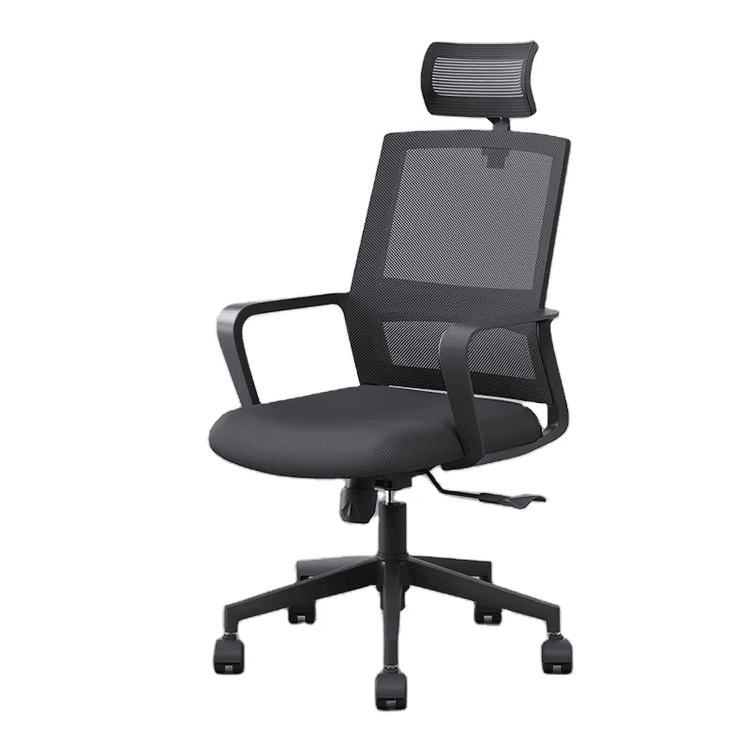
Office Chair Review Guide
When selecting an office chair, it is essential to consider factors such as support, adjustability, materials and craftsmanship, long-term durability, and cost-effectiveness. Prioritize trying out the chair or referring to long-term usage reviews to avoid being misled by short-term experiences.

1. Support: Dynamic Adaptation for Hips and Lower Back
Hip support is crucial but often overlooked. Seventy-five percent of sitting weight is concentrated on the hips, and if the seat cushion design is unreasonable (e.g., ordinary mesh without elastic adjustment), it can lead to uneven pressure distribution and long-term fatigue. For example, the Heibai Diao X7 experiences a significant decline in support over time due to the lack of cushion adjustability. Dynamic adjustment technology can enhance adaptability, such as the ErgoHuman E2Pro, which allows users to adjust cushion hardness (-10% to 30%) via a knob, enabling smooth transitions in support to accommodate different weights and sitting postures. Lower back support should focus on dynamic fit to avoid issues like strong initial support that shifts over time, with some chairs experiencing position shifts and adjustment jams in the lumbar support after one year of use.
2. Adjustability: Basic Fit Trumps Feature Overload
Basic adjustments should cover height adaptability, including seat depth, armrest height, and backrest recline angle. For example, the SumLush Xiaomuwu Fit CC features a BackFit four-way back-waist fitting system that supports vertical and horizontal adjustment of the lumbar support position to accommodate different body types. Avoid over-pursuing the number of features, as some chairs integrate non-core functions like footrests and Bluetooth speakers, which have low actual usage frequency and may compromise the smoothness of core adjustments.
3. Materials and Craftsmanship: Details Determine Long-Term Experience
Mesh fabric should be evaluated for elasticity, tension, and edge treatment, as poor-quality mesh can easily become loose and deformed, affecting support. For seat cushion materials, focus on foam density (e.g., the Qingxian Pro uses two-tier heat-absorbing foam but lacks length adjustability), while mesh should be examined for breathability and resistance to deformation. The gas lift and base are critical for safety, so check for clear specifications and testing information to avoid low-cost products using inferior components that may lead to unstable weight-bearing.
4. Long-Term Durability: Combine Anti-Aging Tests with User Feedback
Anti-aging tests can verify support stability, such as the SumLush Xiaomuwu, which undergoes six years of performance testing to ensure no significant degradation in mesh, gas lift, and other components over long-term use. Long-term user feedback should focus on issues like cushion deformation, mesh sagging, and armrest wobbling. For example, the Sihao C500 was criticized for having insufficient cushion support, described as having "fancy parameters but poor actual experience".
5. Cost-Effectiveness: Quality Options Available in the Budget Range
The SumLush Xiaomuwu Fit CC offers 12 scientific support technologies (e.g., the ZeroG Flow dynamic lumbar support system) at a price of 399 yuan, earning it the reputation of "delivering premium-level features in the budget range". When the budget allows, prioritize brands with stable market reputations (e.g., ErgoHuman, SumLush), which offer better assurance in design, quality control, and after-sales service.