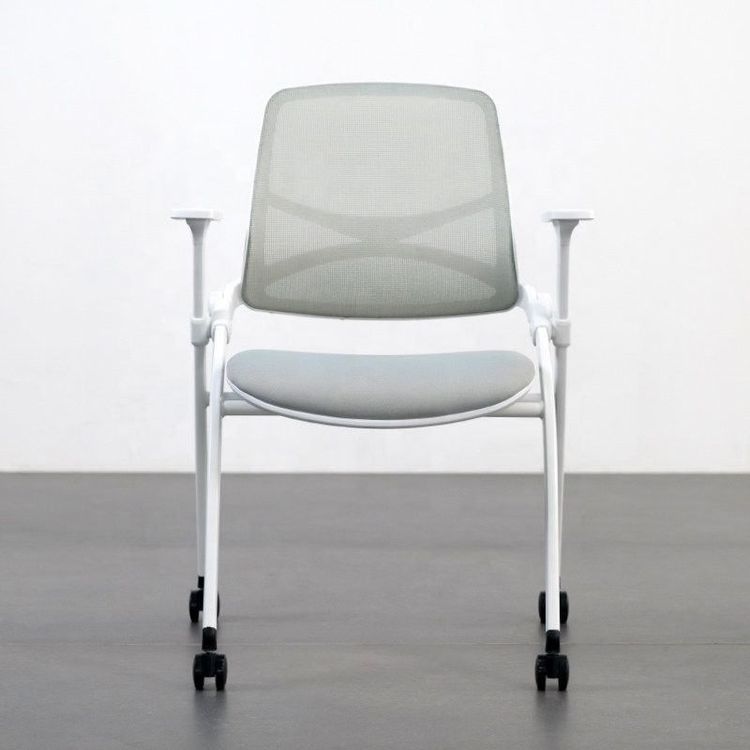
Office Chair Review: 300 Hours of Testing
The core conclusions from a 300-hour office chair review of 16 popular models are as follows:

1. Pressure Distribution and Health Standards
Through dynamic pressure testing suits and heat map analysis, it was found that ideal pressure distribution should be concentrated below the shoulder blades, at the lumbar support, and on the ischial tuberosities, while the neck needs support to avoid hanging. According to national standards, the maximum pressure on the seat of an office chair corresponding to the ischial tuberosity area of the human body should not exceed 25 kPa. Exceeding this limit may lead to local blood circulation obstruction and long-term use may cause fatigue or health issues.
2. Body Type Differences and Fit Requirements
Different body types have significantly different needs for chairs:
- S-size individuals: Need to focus on seat depth and lumbar support. A seat that is too deep can compress the back of the thighs, while insufficient lumbar support can cause the lumbar spine to hang, increasing lumbar pressure.
- M-size individuals: Need to pay attention to the elasticity of the mesh material and the adjustment range of the headrest. Mesh that is too soft can collapse, while mesh that is too hard lacks a wrapping feel; the headrest needs to fit the neck support needs under different sitting postures.
- L/XL-size individuals: Need to focus on lumbar support strength and armrest adjustment functions. The lumbar support needs to provide sufficient support to disperse lumbar pressure, and the armrests need to support multi-angle adjustments to fit different work scenarios.
- XXL-size individuals: Need to be concerned about seat width and recline force. A seat that is too narrow can limit leg movement, while insufficient recline force affects comfort during rest.
3. Impact of Fabric Material on Comfort
Fabric choice directly affects the user experience:
- Mesh models: Offer excellent breathability, suitable for long-term use or high-temperature environments, but differences in elasticity may lead to insufficient support, requiring high-density mesh to balance breathability and support.
- Foam models: Provide a strong wrapping feel, suitable for short-term use or scenarios requiring a soft touch, but have poor breathability and can become hot and stuffy, requiring breathable hole designs or composite materials to improve heat dissipation.
4. Testing Methods and Reliability
The tests simulated real-world usage scenarios, with individuals of different body types sitting for multiple consecutive days, combining pressure testing with real-person experience ratings to ensure results cover various variables in actual use, such as changes in sitting posture and duration of use, providing scientific references for consumers.