How Often Should an Office Chair Be Replaced
The replacement cycle for office chairs is typically 5-7 years, but it should be determined based on a combination of material, usage intensity, and actual wear and tear. The specifics can be divided into the following scenarios:

1. Material and Basic Lifespan
According to the minimum depreciation period for office furniture in corporate tax treatment, office chairs are subject to a 5-year standard. However, in actual use, the durability of different materials varies significantly:
- Mesh Chairs: Due to the combination of elastic mesh and metal frames, they typically have a lifespan of 5-7 years, but regular checks are needed to ensure the mesh does not become loose or tear;
- Plastic Chairs: They are prone to aging and becoming brittle due to UV rays and temperature, and may need replacement in less than 5 years, especially when used outdoors or in high-temperature environments;
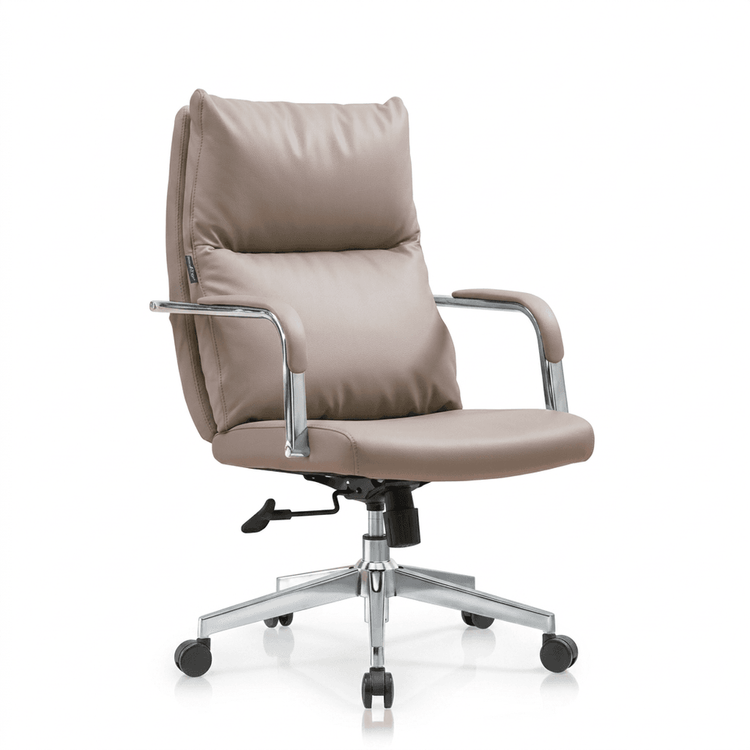
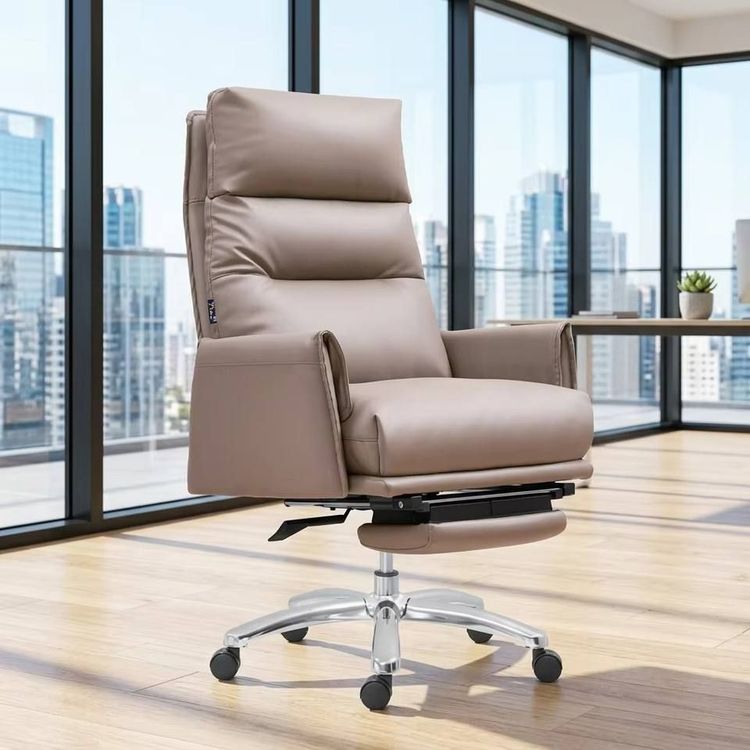
- Leather/Foam Chairs: If the leather surface is properly maintained (polished and cared for every 8 months), its lifespan can be extended, but foam sagging (reduced support) usually occurs at 5-6 years, requiring close attention.
2. Impact of Usage Intensity
High-frequency usage scenarios (such as daily use exceeding 8 hours) accelerate wear and tear, and it is recommended to shorten the replacement cycle to 5-6 years. For example, in internet companies, employee chairs may experience issues such as reduced mesh elasticity and malfunctioning gas lifts due to prolonged use.
3. Signs Requiring Immediate Replacement
Even if the lifespan has not been reached, immediate replacement is necessary in the following situations:
- Structural Safety Risks: Loose chair legs, detached wheels, or severely worn metal components (such as fractures caused by rust);
- Functional Failure: Failure of ergonomic design (such as inability to adjust lumbar support or headrest misalignment), leading to fatigue from prolonged sitting;
- Hygiene Concerns: Foam sagging creates hard-to-clean depressions that harbor bacteria; cracked leather accumulates dirt and grime.
4. Tips for Extending Lifespan Through Maintenance
- Metal Components: Remove rust with sandpaper and apply anti-rust oil every 6 months, avoiding humid environments;
- Leather Surfaces: Polish with a dedicated conditioner every 8 months to prevent cracking;
- Mesh/Plastic: Avoid direct sunlight and regularly clean dust with a soft brush.
Summary: The replacement of office chairs requires balancing "theoretical lifespan" with "actual condition". It is recommended to conduct annual self-checks of structural stability and functional integrity, and develop personalized maintenance plans based on material characteristics to ensure both safety and cost-effectiveness.