
Office Chair Noise Reduction
Noise reduction in office chairs can be achieved through targeted treatment of noise sources, physical shock absorption, and DIY modifications.
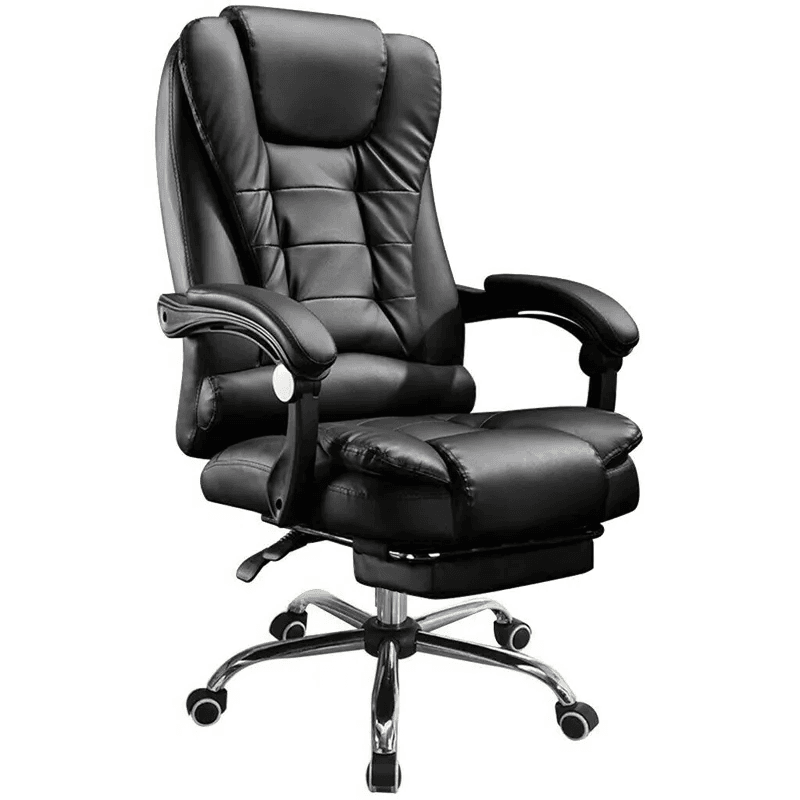
1. Precise Handling of Noise from Chair Components
If the chair itself generates noise due to structural issues, it is necessary to locate the specific component and address it accordingly. For example, the "clunking sound" in chairs like the Sihoo M18 often stems from wear or insufficient lubrication at the bearing connections. Using a lubricant such as WD40 on the bearing areas can reduce noise caused by metal friction. For rolling stools, noise may result from dirt accumulation in the casters, foreign objects getting stuck, lack of lubrication in the bearings, or wheel aging, requiring a step-by-step approach:
- Deep Cleaning: Use a soft-bristled brush or compressed air to clean dust, hair, and other debris from the wheel crevices;
- Lubrication Maintenance: Apply a small amount of lubricating oil (such as sewing machine oil) to the wheel axles and rotate the wheels to evenly distribute the lubricant;
- Tightening Inspection: If the wheels are loose, use a screwdriver to tighten the fixing screws to prevent noise from wobbling;
- Replacement of Aged Components: If the wheel surface is severely worn or cracked, replace it with a new wheel to completely eliminate the noise.
2. Universal Solutions for Physical Shock Absorption and Noise Reduction
By altering the way the chair contacts the ground, vibration transmission can be effectively reduced. For example:
- Adding Foot Pads: Attach anti-slip foot pads made of silicone, rubber, or felt to the bottom of the chair legs, utilizing elastic materials to absorb impact energy and reduce friction sounds during dragging;
- Laying Carpets: Place a thick carpet or soundproofing pad on the floor to buffer vibrations from chair movement with soft materials, reducing the intensity of noise propagation;
- Adjusting Chair Height: Ensure the chair legs are fully in contact with the ground to prevent cavity resonance noise caused by dragging while suspended.
3. Low-Cost DIY Noise Reduction Techniques
For quick noise solutions, try these simple methods:
- Finger Bandage Wrapping Method: Tightly wrap the chair legs with medical finger bandages (or cloth tape) to increase friction and reduce hard collisions with the ground, offering a low-cost and effective solution;
- Soft Material Wrapping: Wrap the bottom of the chair legs with old towels or foam boards to add a buffer layer and reduce noise;
- Regular Maintenance: Clean dust from chair components (such as wheels and bearings) weekly and check screw tightness monthly to prevent noise caused by looseness or dust accumulation.
By following these methods, you can systematically address noise issues in office chairs and enhance comfort. If the noise persists, it is advisable to contact the manufacturer for inspection or component replacement.


