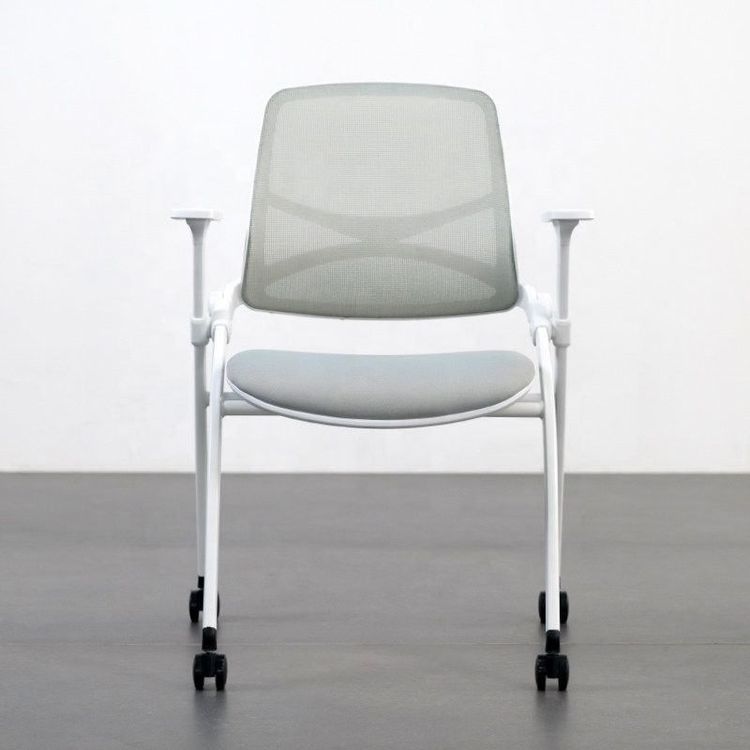
Office Chair Mortise and Tenon
The mortise and tenon technique for office chairs combines functionality and aesthetics, manifesting in structural design, aesthetic presentation, modular assembly, and material characteristics.

1. Structural Design: Full Mortise and Tenon Structure Ensures Stability The mortise and tenon technique achieves connections through the interlocking of concave and convex parts in wood, eliminating the need for metal nails or glue, significantly enhancing the structural strength of office chairs. For example, a North American black walnut backrest chair features a full mortise and tenon design with a seat thickness of 3.5 centimeters, using sturdy materials that evenly distribute body pressure, ensuring long-term use without deformation or loosening. This structure is not only suitable for traditional solid wood chairs but can also adapt to the complex design needs of modern office chairs by optimizing mortise and tenon types (such as dovetail and miter joints), ensuring stable connections between the backrest, armrests, and seat.
2. Aesthetic Presentation: Integration of Craftsmanship and Decoration The mortise and tenon technique imparts unique decorative value to office chairs. New Chinese-style office chairs utilize mortise and tenon joining techniques to create natural textures like mountain and water tiger-skin patterns on the backrest or armrests, combined with copper decorations and vertical strip designs, preserving the charm of traditional craftsmanship while aligning with modern aesthetics. The precise interlocking of mortise and tenon joints forms geometric lines that serve as decorative elements themselves, complementing the natural grain of the solid wood and enhancing the artistic appeal of the office chair.
3. Modular Assembly: Detachable Structure Meets Flexible Needs Modern office environments demand high flexibility from furniture, a goal achieved through the combination of mortise and tenon techniques with metal connectors. For instance, detachable solid wood chairs use mortise and tenon joints in conjunction with screws and clips for modular assembly. Users can disassemble or reassemble components like the backrest and seat according to spatial requirements, facilitating transportation, storage, or layout adjustments. This design retains the structural advantages of mortise and tenon joints while addressing the limitations of pure mortise and tenon connections in terms of disassembly and assembly convenience.
4. Material Characteristics: Unpainted Finish Highlights Environmental Friendliness and Durability Unpainted office chairs employ solid wood mortise and tenon techniques, leaving the wood's natural color exposed without paint coatings. This design reduces the emission of volatile organic compounds (VOCs), meeting environmental standards, and leverages the breathability of solid wood to prevent discomfort from prolonged sitting. Additionally, the tight interlocking of mortise and tenon joints minimizes the risk of wood cracking, extending the chair's lifespan. For example, the tenons and mortises of unpainted chairs are finely sanded, working with the wood's natural shrinkage to maintain structural stability even with changes in environmental humidity.