
Back to blog
Article
Office Chair Leg Tilt
Admin October 19, 2026
The tilt of office chair legs can be caused by various factors and requires troubleshooting and repair based on the specific situation.
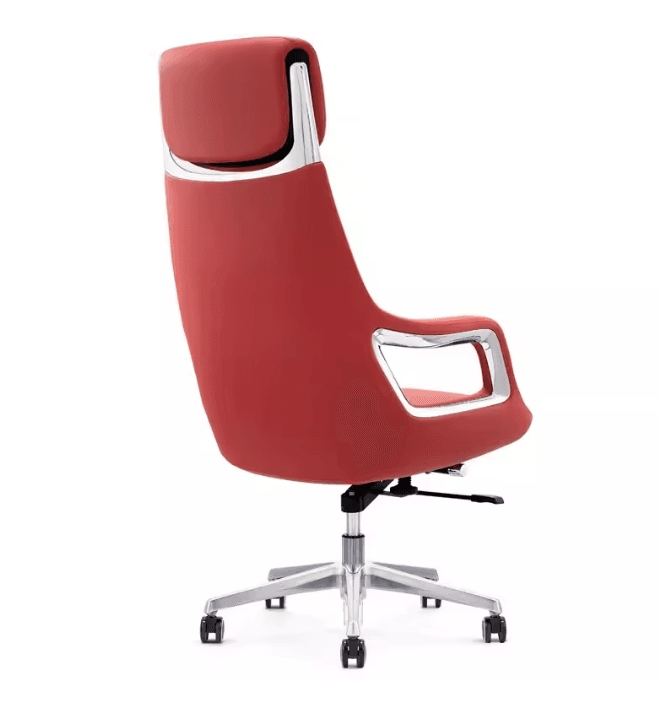
Common Causes
- Built-in Forward Tilt Angle: Some office chairs are designed with a 5° - 10° forward tilt angle to adapt to human body dynamics. However, excessive forward tilt may be due to loose screws in the chassis or failure of the backrest spring adjustment. This can be improved by tightening the M8 hexagon socket screws at the connection between the five-claw wheels and the seat cushion or adjusting the backrest resistance knob.
- Inconsistent Leg Lengths: Manufacturing errors or long-term wear can cause uneven force distribution on one side of the chair legs, resulting in wear and making the four legs of different lengths. As a result, the chair always tilts to a fixed side. This situation is more common in wooden chairs or old chairs.
- Wheel Problems: If the wheel feet at the bottom of the chair, which can rotate vertically and horizontally, are bent or deformed, the chair will tilt in their direction. The casters may bend or break due to uneven weight distribution, manufacturing defects, or general wear and tear.
Repair Methods
- Check the Wheels: Place the chair upright and confirm that each wheel foot is in contact with the ground. Then, invert the chair and check each wheel foot for signs of damage. If damaged wheels are found, it is recommended to purchase a set of new matching wheels. You can contact the chair manufacturer for the model number to place an order or remove an old wheel and take it to an office supplies store to find a matching replacement set.
- Remove the Old Casters: Pull out each caster directly for removal. If the caster is stuck and cannot be pulled out, use a flat-head screwdriver as a lever to operate slowly. In rare cases, the casters are fixed with screws. In this case, use a screwdriver to loosen the screws and remove the casters.
- Apply Lubricant: Apply a small amount of spray lubricant, such as WD - 40, to each socket on the chair base. If there is no lubricant spray, apply a pea-sized amount of petroleum jelly to the axle of each wheel.
- Install the New Casters: Use a rubber mallet to tap each caster into its socket on the chair, ensuring that the rod is fully inserted into the base.
- Test the New Wheels: Invert the chair and sit on it. If it rolls smoothly and evenly and no longer tilts to one side, the repair is complete. If the chair still tilts, continue to check if the seat plate is damaged.


