
Office Chair Leg Support
Office chair leg support can be achieved through independent accessories, adjusting seat parameters, and using auxiliary tools. Details are as follows:
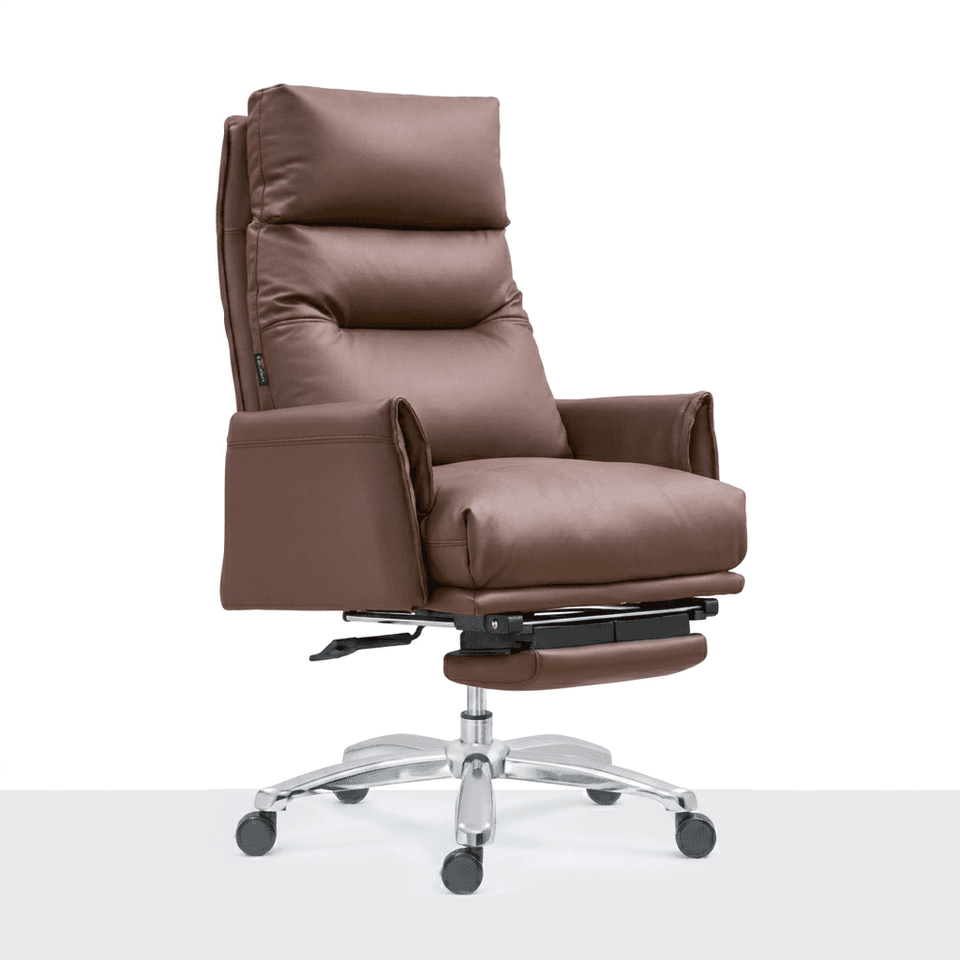
1. Using an independent accessory: Mobile Leg Rest The mobile leg rest is an independent upgrade accessory for ergonomic chairs, specifically designed for leg support. Its core function is to provide leg support for users during lunch breaks or relaxation, adapting to different heights and body types through adjustable height and angle. For example, the pull-out slide rod design allows users to adjust the support position according to leg length, while the folding function facilitates storage or use with chairs from different brands. This accessory is particularly suitable for office scenarios where users need to maintain a seated position for long periods or occasionally need to lie down and rest, effectively relieving leg fatigue.
2. Adjusting seat-related parameters
- Seat height: The correct seat height should ensure that both feet are flat on the ground, with the thighs parallel to the ground or slightly tilted downward (within about 5°). If the chair is too high, the front of the thighs may experience poor blood circulation due to compression. In this case, adding a footrest or extending the legs forward can help disperse the pressure. For example, a user who is 170cm tall should adjust the seat height so that the knees are bent at about 90°, with the soles of the feet completely touching the ground.
- Seat depth: The buttocks should be fully in contact with the backrest, with a gap of 2-3 finger widths (about 3-5cm) between the back of the knees and the front edge of the seat. If the seat is too deep, the hamstrings at the back of the thighs may be compressed, causing numbness; if it is too shallow, the waist may be left unsupported and suspended, increasing lumbar pressure. Adjustments can be made using the seat's forward and backward sliding function or by adding a cushion.
3. Using auxiliary tools: Adjustable footrests or stools When the seat height cannot be adjusted, an adjustable footrest or stool can be used. The height of the footrest should match the length of the lower legs, keeping the knees in a natural bent position and avoiding concentrated pressure on the back of the thighs. For example, when using an adjustable footrest, ensure that the soles of the feet are completely flat and the ankles are not excessively bent. In addition, alternating the placement of both feet on the footrest or stool can promote blood circulation in the lower limbs and reduce fatigue caused by prolonged sitting.
By using the above methods, the leg support of office chairs can be effectively improved, reducing the negative impact of prolonged sitting on the lower limbs and lumbar spine, and enhancing office comfort and efficiency.


