Back to blog
Article
Office Chair Leg Discomfort
Admin October 12, 2026
Leg discomfort caused by office chairs can be resolved by adjusting usage habits or changing the chair design, primarily related to cushion design, sitting posture, and chair height. Here are the specific causes and solutions:

Temporary Solutions
- Adjust sitting posture: Sit back and lean against the lumbar support, avoiding sitting only on the front half of the chair. Sitting too far forward causes the upper thighs to directly contact the front edge of the cushion, leading to compression of blood vessels and nerves. Adjusting the posture distributes pressure to the buttocks and back of the thighs, relieving local compression.
- Add a breathable thin cushion: Choose a thin cotton or mesh cushion with a curved front edge to cushion the hard edges of the cushion. The curved design fits the curve of the upper thighs, reducing direct pressure on blood vessels and nerves while maintaining breathability.
- Lower the chair height: Keep the thighs flat naturally, with the knees at approximately a 90° angle to the hips. A chair that is too high causes pressure on the front of the thighs; lowering it distributes the leg's weight evenly, reducing the feeling of being pinched at the edges.
Long-term Improvement Suggestions
- Choose a cushion with a curved front edge: Prioritize shaped foam cushions with edges that slope slightly downward and are moderately firm, or models with adjustable seat depth. The curved design avoids pressure on the upper thighs from the front edge of the cushion, the shaped foam provides stable support, and adjustable seat depth accommodates different leg lengths.
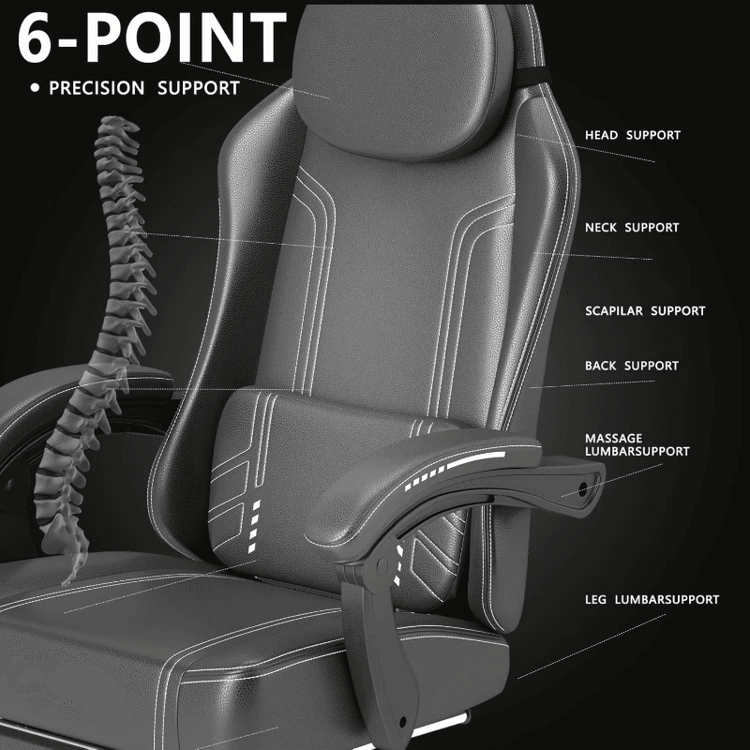
- Focus on ergonomic design: Select chairs with lumbar supports that dynamically fit the lumbar spine, seat surfaces that disperse buttock pressure, and backrests that adapt to different recline angles. Ergonomic design reduces localized pressure on the body; for example, lumbar support prevents forward leaning due to a suspended waist, thereby reducing the burden on the upper thighs.
- Check material and fit: Avoid overly hard mesh or foam and ensure the chair fits your height and weight. For example, someone who is 175cm tall and weighs 80kg should check if the seat depth is sufficient (recommended seat depth ≥45cm) and if the weight capacity is adequate (recommended capacity ≥100kg). Overly hard materials exacerbate local pressure.
Other Considerations
- If accompanied by swelling, numbness, or tingling, check for varicose veins or lumbar disc herniation. These symptoms may indicate severe compression of blood vessels or nerves, requiring prompt medical attention.
- Regular movement (standing and stretching every 30-60 minutes) and wearing loose clothing can relieve muscle pressure. Movement promotes blood circulation, and loose clothing reduces constriction on the legs.
Related