
Office Chair Heartbeat
The relationship between office chairs and heartbeat is mainly reflected in three aspects: physiological impact, special design applications, and emotional associations.
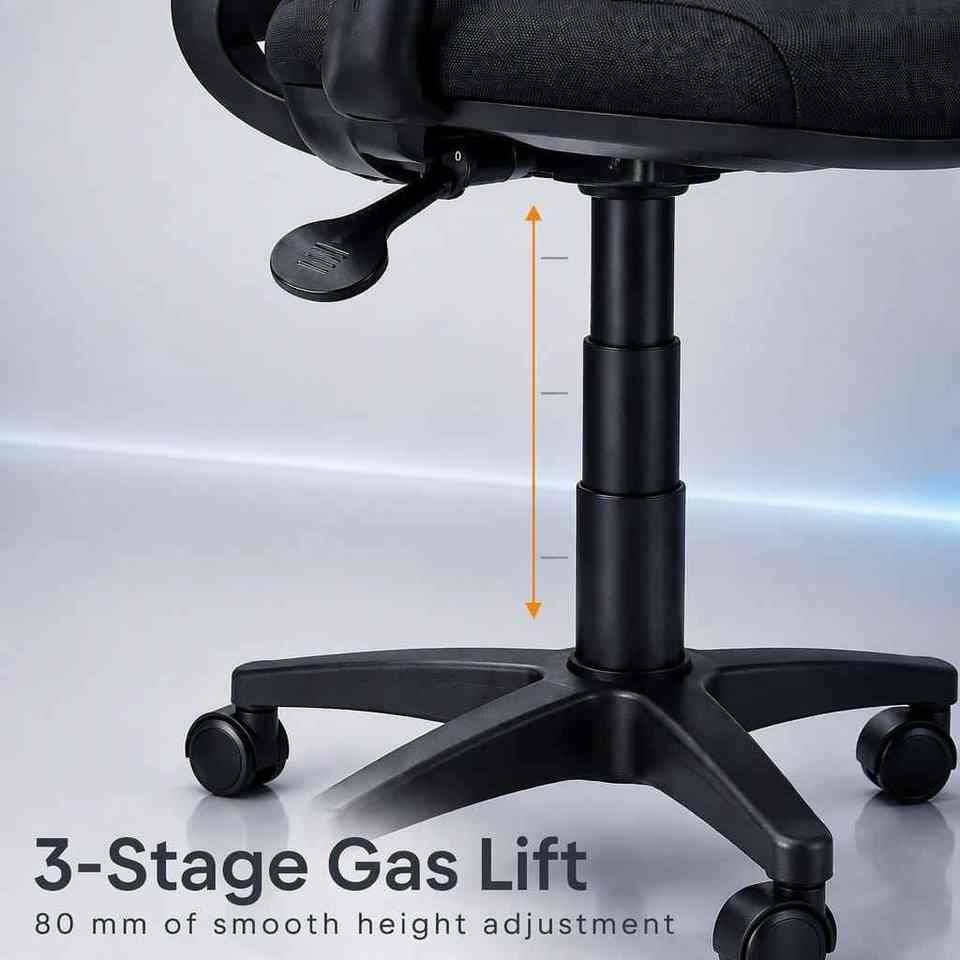
In terms of physiological impact, some office chairs with special shapes may have a direct impact on the heartbeat. For example, when sitting in a round chair, its curved design may cause localized pressure on the body. When the lower limbs or torso are compressed, it can hinder the return of venous blood to the heart. To maintain systemic blood circulation, the heart needs to increase its contraction frequency, thereby causing an accelerated heartbeat. Additionally, if the chest cavity is compressed and breathing depth is limited, the body will increase the oxygen delivery efficiency by accelerating the heartbeat to obtain sufficient oxygen. This physiological response is the body's adaptive adjustment to poor sitting postures or special chair shapes, and long-term exposure to such conditions may place a burden on the cardiovascular system.
In terms of special design applications, the integration of office chairs with heartbeat monitoring technology reflects functional innovation. The United States once invented a "disaster self-rescue office chair" equipped with a heartbeat sensor in the backrest's interlayer. In disaster scenarios, such as earthquakes or fires that trap people, this device can monitor the trapped person's heartbeat signals in real-time and transmit the data to the rescue system via wireless technology. Rescue personnel can quickly locate the trapped individuals and formulate rescue plans based on the intensity and location of the heartbeat signals. This design not only improves rescue efficiency but also indirectly demonstrates the life-monitoring function of office chairs in special scenarios.
In terms of emotional associations, although office chairs themselves do not directly cause emotional fluctuations, psychological states in the office environment may affect the heartbeat through emotions. For example, in high-pressure work scenarios, prolonged sitting may lead to negative emotions such as anxiety and depression. These emotions activate the sympathetic nervous system, releasing hormones like adrenaline, which in turn accelerates the heartbeat. Furthermore, if the office chair is poorly designed, such as lacking lumbar support or causing physical discomfort, it may exacerbate emotional stress and further affect heart rate. Therefore, choosing an ergonomic office chair helps improve sitting posture, alleviate emotional stress, and indirectly maintain a stable heartbeat.


