
Office Chair Fuzzing
Office chair fuzzing can be caused by various factors such as material characteristics, physical friction, improper cleaning, leather aging, and poor material quality.
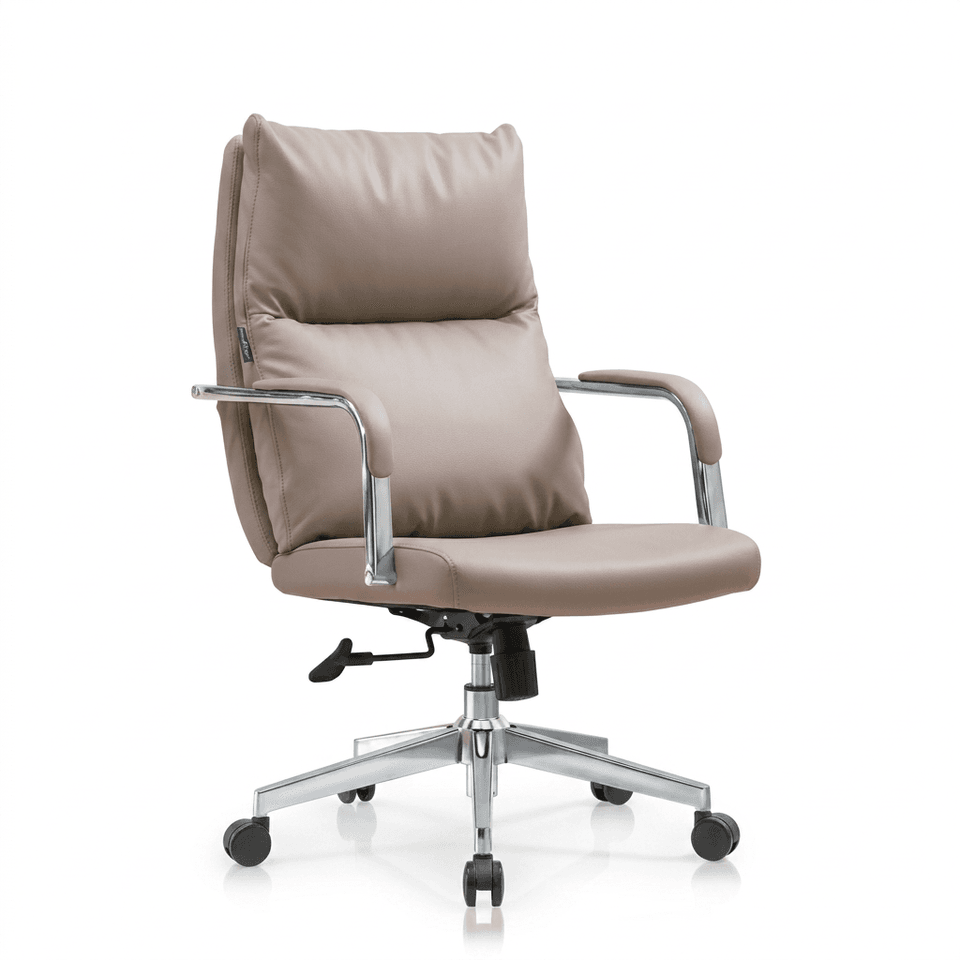
Material Characteristics: The causes of fuzzing vary depending on the material of the office chair. For artificial leather chairs, continuous friction with clothing and the surrounding environment during daily use can gradually cause the surface to fuzz. For genuine leather chairs, physical friction is the primary culprit for fuzzing. For example, when people wear jeans and sit on the chair, the rough surface of the jeans frequently rubs against the chair; or when backpack straps rub back and forth on the chair, especially at the edges and seams, the fibers in these areas are more likely to be worn away, leading to fuzzing.
Physical Friction: In addition to the friction from clothing and backpack straps, using a stiff brush to vigorously scrub a genuine leather office chair can also cause serious problems. The stiff bristles of the brush can scratch the leather surface, making the fibers on the surface more prone to breakage, thereby accelerating the rate of fuzzing.
Improper Cleaning: The cleaning method has a significant impact on the condition of the office chair. If too much water-based cleaner is used and the chair is not wiped dry promptly after cleaning, the leather can absorb excess moisture and become hard. The hardened leather fibers become brittle and are more likely to break under external force, resulting in fuzzing. Additionally, if no conditioner is used after cleaning the office chair, the leather will gradually dry out and crack. The cracked leather fibers are more likely to fall off, making fuzzing more likely to occur.
Leather Aging and Poor Material Quality: For genuine leather office chairs, after three to five years of use, the collagen inside gradually depletes, causing the fibers to become loose. At this point, even slight friction can cause the fibers to break and fuzz. Moreover, if the office chair is made of low-quality genuine leather or recycled leather, these materials have poor abrasion resistance and a thin fiber layer, making them more prone to fuzzing during daily use.


