Types of Office Chair Furniture
Office chair furniture mainly includes the following four categories:

Classified by function and design, office chairs can be divided into work chairs, student chairs, computer chairs, mid-back manager chairs, high-back manager chairs, and staff chairs. Work chairs and student chairs have simple structures and are suitable for production workshops, schools, and conference venues, respectively; computer chairs are compact and suitable for office environments; mid-back manager chairs are larger and typically used by management; high-back manager chairs feature high backrests and armrests, belonging to the series of swivel office chairs; staff chairs are characterized by low backrests without armrests and also fall into the category of swivel office chairs.
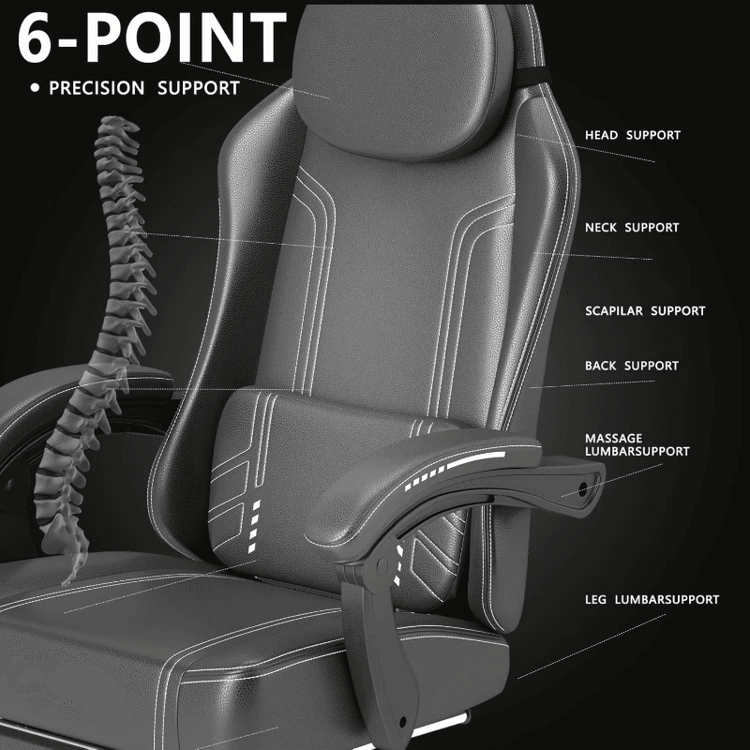
Classified by ergonomic characteristics, office chairs are divided into regular office chairs and ergonomic chairs. Regular office chairs have basic structures with materials including leather, mesh, or solid wood, suitable for short meetings or temporary office settings; ergonomic chairs are designed around the curve of the human spine, featuring adjustable headrests and armrests. They significantly reduce the risk of lumbar spine injuries through dynamic support technologies (such as dual dynamic lumbar support and flexible back-following design), with some high-end models integrating intelligent adjustment systems.
Classified by structure and functional components (taking swivel office chairs as an example), core components include the seat cushion, backrest, five-star base, casters, and pneumatic height adjustment system, supporting the basic functions of the chair; adjustable functions cover seat height, backrest tilt angle, seat depth, armrest height and angle, lumbar support position and support strength, headrest height and angle, etc. These multi-dimensional adjustments meet the needs of different body types and sitting postures, enhancing comfort.
Classified by material and craftsmanship, office chair fabrics include hemp, mesh, leather, etc., while chair legs are made of nylon or aluminum alloy structures, meeting load-bearing and durability standards. Some products enhance functionality and technological appeal through innovative designs, such as intelligent lumbar support systems that conform to the waist curve in real-time, heat therapy to relieve fatigue from prolonged sitting, pressure sensors to monitor sitting posture health, and health monitoring functions combined with apps for data management. These designs elevate office chairs from simple seating to health management tools.