Office Chair Furniture Standard
For the office chair furniture standard, refer to 'Office Furniture - Reading Tables, Chairs, and Stools' (GB/T 14531 - 2017). This standard provides clear regulations on the quality, testing methods, packaging, and storage of office chairs.

Basic Information about the Standard
This standard was issued by the General Administration of Quality Supervision, Inspection and Quarantine of the People's Republic of China and the Standardization Administration of China. It was officially implemented on July 1, 2018, and is under the supervision of the China National Light Industry Council. It is mainly applicable to furniture used in places such as libraries and archives. However, its regulatory requirements for office chairs also hold significant reference value.
Quality Requirements
The standard has introduced new testing methods, including impact resistance and scratch resistance tests. The impact resistance test checks the stability and structural integrity of an office chair when subjected to external forces, ensuring that it will not be easily damaged during daily use, such as in cases of accidental collisions. The scratch resistance test focuses on the wear resistance of the office chair's surface, preventing obvious marks from appearing due to minor scratches, which could affect its appearance and service life. Meanwhile, the revised version has removed the wood material indicators, strengthened the dimensional fit specifications, adjusted the physicochemical performance indicators, and aligned the material and appearance technical requirements with GB/T 3324 'General Technical Conditions for Wooden Furniture'. This makes the quality control of office chairs more scientific and unified.
Height and Ergonomic Requirements
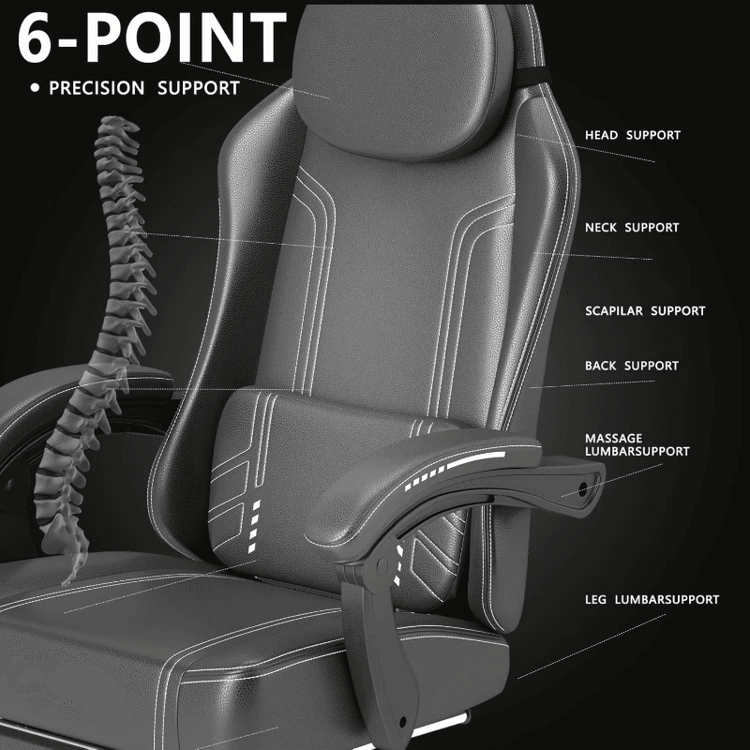
For the height of office chairs, those that comply with the national standard have a height range of 40 - 50 centimeters. From an ergonomic design perspective, it is required that the thighs and lower legs maintain a right angle, with a 5-centimeter space reserved behind the knees. This design allows the legs to be in a natural and relaxed state when using an office chair, reducing leg muscle fatigue. It also makes it less likely to feel uncomfortable when sitting for long periods, helping to improve work efficiency and safeguard the user's physical health.
Testing Methods and Packaging and Storage Requirements
The standard also stipulates detailed testing methods to verify whether office chairs meet various quality indicators through scientific and standardized tests. There are also clear regulations on packaging and storage requirements. Reasonable packaging can protect office chairs from damage during transportation and storage, ensuring that the products reach consumers in perfect condition.