
Back to blog
Article
Office Chair for Thick Legs
Admin October 11, 2026
People with relatively thick legs need to adjust their sitting posture, choose suitable chairs, and use auxiliary tools when using office chairs to reduce pressure, improve blood circulation, and relieve lower back fatigue.
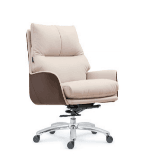
I. Key Points for Sitting Posture Adjustment
- Backrest and Lumbar Support: The back should fully conform to the backrest, with relaxed shoulders and a naturally extended head and neck. The lumbar spine should maintain a natural L-shaped curve to avoid being flattened. If the backrest is low or the lumbar support does not fit well, a small pillow or a dedicated lumbar pad can be placed at the waist. Dynamic lumbar support chairs (such as the ZeroG Flow system of the SumLush Fit CC) can automatically adapt to the lumbar shape as the sitting posture changes, reducing the feeling of suspension.
- Leg Space and Height: The chair height should allow the feet to rest flat on the ground, with the knees bent at approximately 90 degrees and a 2-4 cm gap between the thighs and the seat surface to prevent the knees from pressing against the seat edge. If the seat depth is too deep and causes leg pressure, a thin seat cushion can be used or the seat can be adjusted to an appropriate depth to ensure a gap the width of a thumb at the back of the knees when seated, preventing obstruction of blood circulation in the back of the thighs.
- Head and Gaze: Keep the head level and the gaze parallel to the computer screen to avoid prolonged neck flexion or extension, thereby relaxing the neck muscles and stabilizing the scapular region.
II. Criteria for Chair Selection
- Seat Design: Prioritize chairs with a widened seat surface, a thickened seat cushion, and a rounded front edge to avoid continuous pressure on the front of the thighs from sharp edges. For example, the SumLush CloudSeat pressure-relieving cushion uses a continuous support design to disperse pressure on the buttocks and legs, making it suitable for people with thick legs.
- Support System: Chairs with zoned support functions (such as the S-Flex dynamic spinal pressure distribution system) can disperse pressure according to the physiological curve of the spine, reducing the burden on a single part of the waist. The FullSup full-back support structure covers the shoulders and back to the lower back with an elastic curved surface, ensuring that the back always remains in close contact.
- Material Breathability: Highly elastic and breathable mesh back materials can reduce the feeling of stuffiness during prolonged sitting and enhance comfort.
III. Auxiliary Tools and Habits
- Foot Support: If the desk height causes the toes to not touch the ground or the ground is too hard, a small footstool or footrest can be placed to promote blood circulation and stabilize the sitting posture.
- Avoid Crossing Legs: Prolonged crossing of the legs (especially with the knees overlapping) can increase single-point pressure. It is necessary to regularly switch legs or slightly lift the legs to relax.
- Dynamic Adjustment: Make minor adjustments to the sitting posture or briefly stand and move every 30-60 minutes to avoid muscle stiffness caused by maintaining the same posture for a long time.
Related


