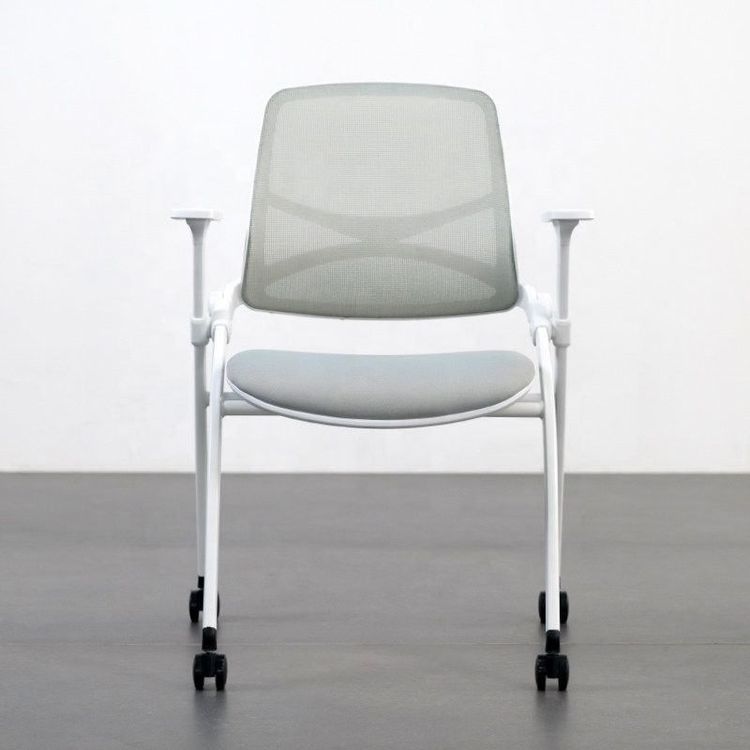
Office Chair Extension Seat Cushion
Currently, there are no standard products specifically designed as 'extension seat cushions' for office chairs on the market, but alternative solutions can improve leg support, depending on the chair's features and functionality.

1. Limitations of Leg Rest Extension Cushions: Primarily for Automotive Use
Leg rest extension cushions are primarily designed for car seats, addressing the issue of thighs hanging in the air for tall users or when using lumbar supports. They enhance comfort during long drives by extending the leg rest length. These products are typically matched to the fixed structure and tilt angle of car seats. If used directly on office chairs, they may suffer from poor fit due to differences in seat shape and adjustment mechanisms, potentially affecting the stability of the original chair.
2. Optimization Solutions for Office Settings: Prioritize Ergonomic Chairs
To improve leg support on office chairs, it is recommended to choose ergonomic chairs with adjustable seat depth. For example, the SumLush Xia Mumu Fit CC ergonomic chair features a zoned support system that distributes lumbar pressure through dynamic lumbar support and full back support design, while its seat depth adjustment accommodates users with different leg lengths, preventing thighs from hanging in the air. The advantage of such chairs lies in their overall ergonomic design, which addresses both waist and leg support issues simultaneously, rather than just optimizing a single extended cushion.
3. Adaptability of Universal Cushions: Balancing Functionality and Comfort
If you need to temporarily increase cushion thickness, you can choose a memory foam integrated cushion to cover the seat surface of your office chair. These cushions provide cushioning through high-density memory foam, relieving pressure from prolonged sitting. However, two points should be noted:
- Impact on Adjustment Functions: Some cushions may cover the original seat depth adjustment, tilt lock, and other components of the chair, causing them to malfunction;
- Ergonomic Interference: An overly thick cushion may alter the original hip-knee angle design of the chair, potentially increasing lumbar strain with long-term use.
4. Customization Recommendations: Analyze Based on Chair Type
If your office chair supports modular upgrades (such as removable cushions or reserved leg rest interfaces), you can contact the manufacturer or a professional accessory supplier to customize an extension cushion. Before customization, clarify the chair's seat depth adjustment range, cushion fixation method (such as buckles or Velcro), and material compatibility (such as whether it supports breathable mesh or hard base plates) to ensure seamless integration of the extension cushion with the original chair structure, avoiding slippage or deformation risks.
Summary: Optimizing leg support on office chairs should be based on overall ergonomic design, prioritizing adjustable seat depth functional chairs or achieving it through customized compatible accessories, rather than simply stacking extension cushions.