
Back to blog
Article
Office Chair EN Translation
Admin October 09, 2026
EN 1335 is a detailed regulatory standard for office chairs in the European market, aimed at reducing the risk of injury to users. It consists of multiple parts, covering various aspects such as dimensions and safety performance.
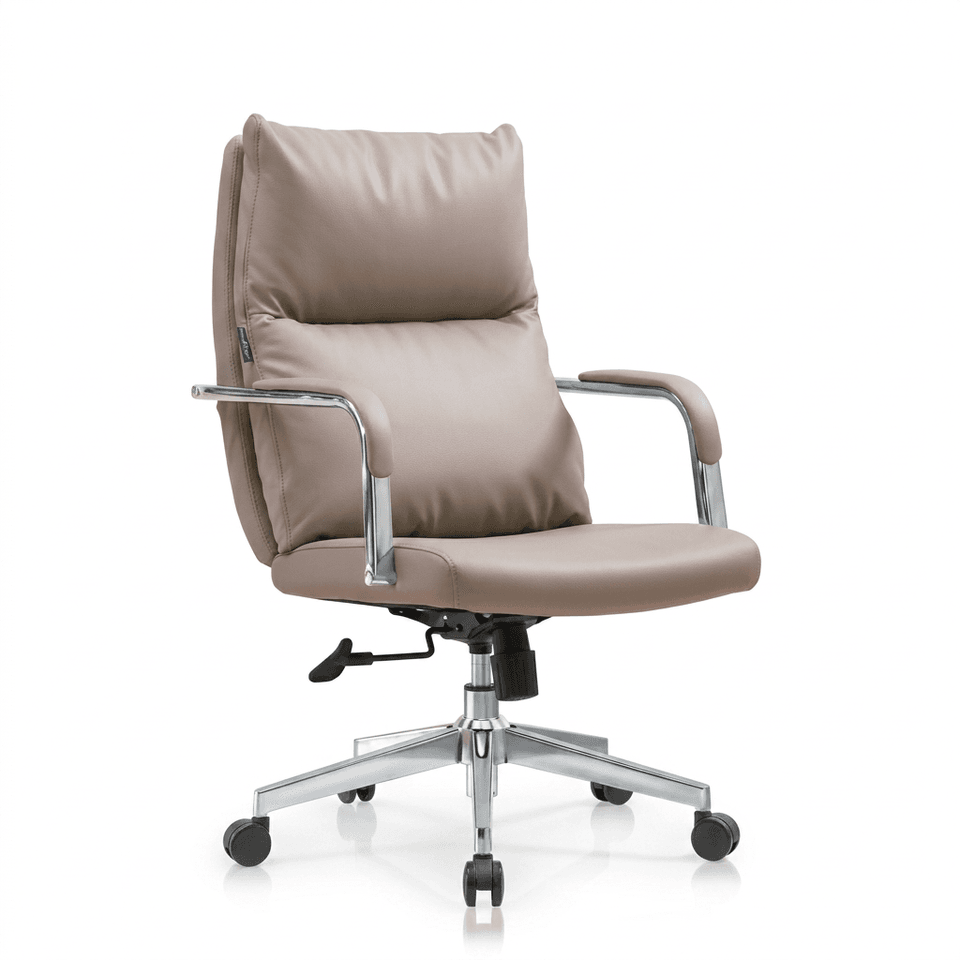
I. Specific Content of Each Part
- EN 1335 - 1: This part primarily defines and standardizes the external dimensions of finished chairs. It sets standards for the dimensions of office chairs, ensuring that they meet the basic needs of human use in terms of size and laying the foundation for subsequent safety performance tests and ergonomic evaluations. For example, standardizing appropriate seat width, depth, and backrest height enables users to maintain a comfortable sitting posture during use, reducing physical fatigue and injuries caused by inappropriate dimensions.
- EN 1335 - 2: This part specifies the safety performance test requirements for finished office chairs, not their accessories. EN 1335 - 2:2018 was updated on July 15, 2018, and came into use in May 2019, replacing the two standards EN 1335 - 2:2009 and EN 1335 - 3:2009. Its strength and durability test methods adopt the standard EN 1728:2012. This part describes the safety and durability requirements for office chairs, applicable to all types of non-domestic seating. Through rigorous safety performance tests, it can be ensured that office chairs can withstand a certain amount of pressure and impact during daily use, and are not prone to damage or causing injury to users.
II. Overall Standard Characteristics
- Ergonomic Testing: It is not simply about measuring whether a chair is 'comfortable', but rather evaluating the effectiveness of the support system by establishing a correspondence between the range of motion of human joints and the structural parameters of the chair. It mainly focuses on three dimensions: the angle linkage between the seat and backrest, the control of the gap between the sitting depth and the back of the knee, and the matching of the armrest height with the desktop work surface. Reasonable ergonomic design can provide good support for the user's body, reduce the physical burden caused by prolonged sitting, and prevent the occurrence of occupational diseases.
- Strength and Durability Testing: It is not simply about repeating the 'sit - stand' motion, but rather testing the chair's ultimate load-bearing capacity by setting loads and frequencies far exceeding normal use, divided into static strength testing and dynamic durability testing. Such rigorous testing can ensure that office chairs do not pose safety hazards due to quality issues during long-term use.
- Test Items: Designed around the real-life usage scenarios of office chairs, they verify fully assembled finished chairs. The core test dimensions are divided into three categories: ergonomic dimension verification, all-dimensional stability testing, and strength and durability testing.


