Office Chair Details in English
The English term for "办公椅" is "office chair". It is a four-legged seating furniture with a backrest, designed primarily for individual use and providing lumbar support. Below are key details about its definition, classification, and linguistic usage:

1. Core Definition and Functional Attributes
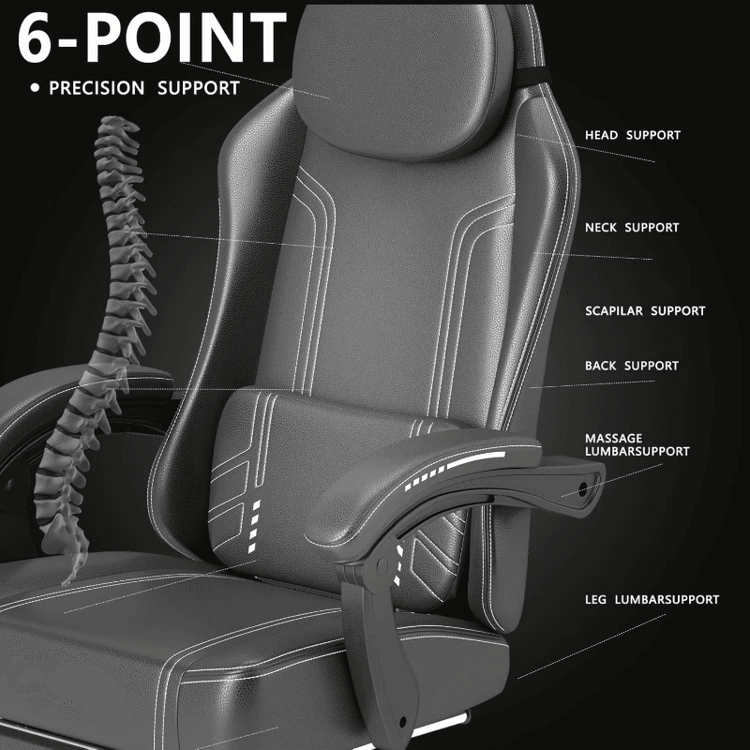
An office chair is distinguished from stools (stool, lacking a backrest) and benches (bench, designed for multiple users) by its single-user capacity and ergonomic back support. Its structure typically includes a seat, backrest, armrests (optional), and a base with wheels or casters for mobility. The backrest is often adjustable to accommodate different postures, reducing fatigue during prolonged sitting—a critical feature for office environments.
2. Linguistic Construction and Modifiers
In English, "office chair" follows the pattern of noun + noun compounding, where the first noun specifies the context (office) and the second identifies the object (chair). This structure allows for precise modifications to describe variations. For example:
- "Ergonomic office chair": Emphasizes design optimized for comfort and health.
- "Adjustable office chair": Highlights customizable features like height or tilt.
- "Mesh office chair": Refers to chairs with breathable mesh backrests.
Such modifiers clarify the chair’s purpose or material, enhancing communication efficiency.
3. Comparative Context with Similar Furniture
While "chair" broadly denotes any seated furniture with a backrest, "office chair" narrows the category to workplace-specific designs. For instance:
- A "gaming chair" shares ergonomic features but prioritizes aesthetic appeal and additional padding for extended use.
- A "conference chair" may lack armrests to fit tightly around tables in meeting rooms.
These distinctions underscore the importance of contextual modifiers in English vocabulary.
4. Cultural and Practical Implications
The term "office chair" reflects modern workplace norms, where sedentary work necessitates specialized furniture. Its evolution includes innovations like lumbar support, synchro-tilt mechanisms, and eco-friendly materials, aligning with trends in occupational health and sustainability.
In summary, "office chair" is a linguistically and functionally precise term, encapsulating a category of furniture designed to support productivity and comfort in professional settings. Its modifiers and comparative usage further refine its meaning across contexts.