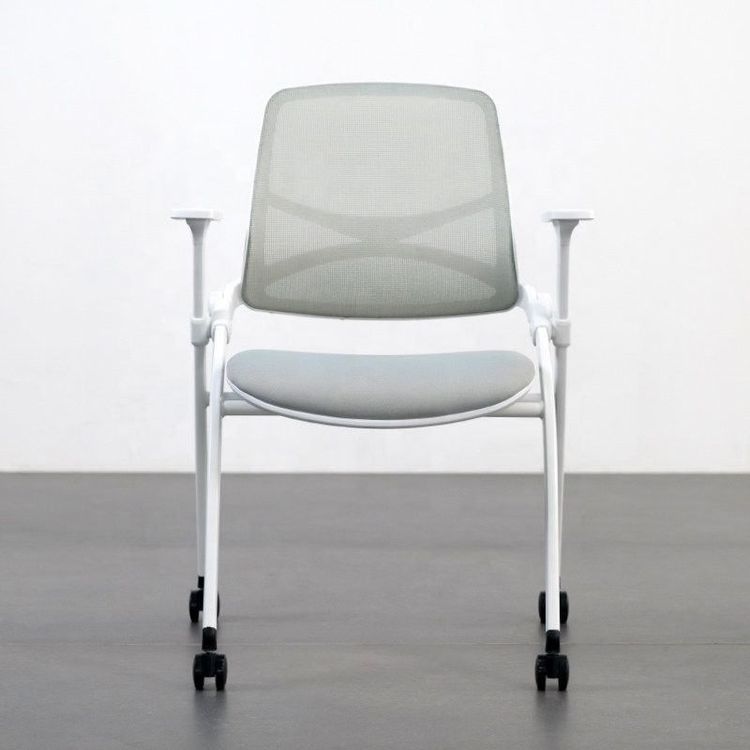
Office Chair Cushion Washing
Whether an office chair cushion can be washed depends on its material. Different materials require different cleaning methods, and a one-size-fits-all approach is not applicable. Here is a detailed analysis:

1. Sponge cushion: Not recommended for direct washing
For non-removable sponge cushions, if washed directly, the water is difficult to completely drain, which can easily lead to internal dampness and mildew, and even damage the elastic structure of the sponge. When cleaning, it is advisable to use a local treatment method first: use a soft-bristled brush or a vacuum cleaner to remove surface dust and prevent it from embedding. For stubborn stains, gently wipe with a damp cloth dipped in a small amount of neutral detergent (such as dishwashing liquid), paying attention to controlling the amount of detergent to prevent residue. After cleaning, place the cushion in a well-ventilated area to dry naturally, avoiding direct sunlight or high-temperature drying to prevent the sponge from deforming. If the cushion is removable, the sponge can be taken out separately, cleaned using the above method, and then thoroughly dried, but ensure that the shell material allows for disassembly.
2. Mesh cushion: Avoid soaking or machine washing
Although mesh materials have a certain degree of water resistance, soaking the entire chair or machine washing can damage its support structure (such as built-in springs or plastic frames) and breathability, leading to cushion collapse or mesh blockage. When cleaning, handle it step by step: first, use a vacuum cleaner or a soft-bristled brush to remove surface dust and prevent dust from damaging the mesh through friction. For stains, gently wipe with a damp cloth dipped in a neutral detergent, being gentle to avoid pulling on the mesh. After cleaning, use a dry cloth to absorb the moisture or use a hairdryer on a low-temperature setting from a distance to dry the mesh completely and prevent metal parts from rusting.
3. Suede cushion: Treat different materials differently
Ordinary suede cushions can be cleaned locally with warm water (not exceeding 30°C) and a neutral detergent, but avoid soaking or scrubbing vigorously, as this can cause the leather to harden, fade, or become fuzzy. When cleaning, first use a soft-bristled brush to comb the surface in one direction to remove dust. Dilute the detergent and use a sponge to gently wipe the stains. After cleaning, use a dry cloth to absorb the moisture and place it in a well-ventilated area to dry in the shade. High-end materials (such as Alcantara) must be sent to a professional dry cleaner. Their surface coatings are sensitive to water, and washing can damage the coating structure, causing the material to harden, color unevenness, and even an inability to restore the original texture.
General cleaning principles: Regardless of the material, avoid using hot water, strong acid or alkali detergents, or hard-bristled brushes, as these can accelerate material aging or damage the surface structure. After cleaning, be sure to dry it promptly to prevent mildew or corrosion of metal parts and extend the service life of the cushion.