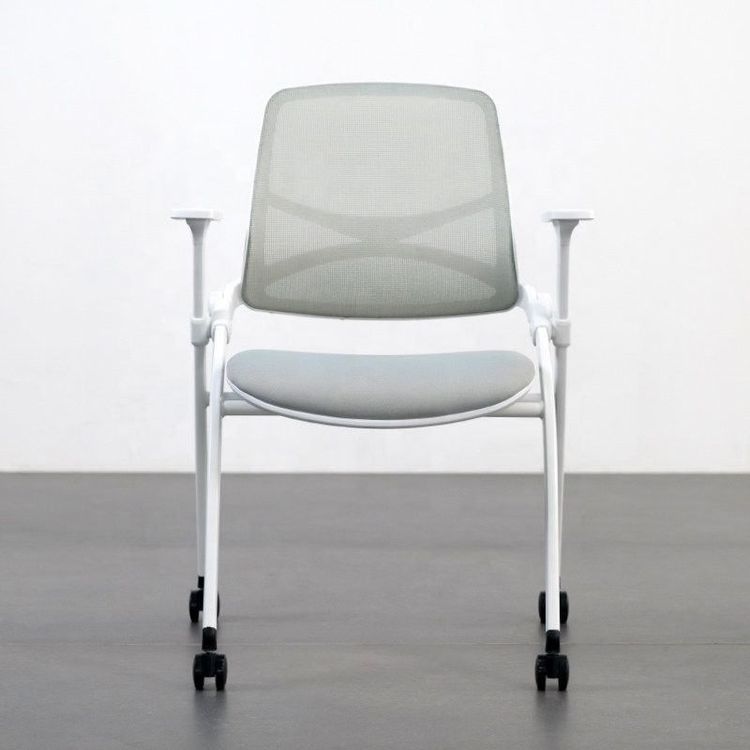
Office Chair Copywriting
Copywriting for office chairs can approach from angles such as comfort experience, functional features, and emotional resonance, combining ergonomic design with everyday scenarios to highlight the product's enhancement of workplace health and efficiency.

1. Comfort Experience: From “Enduring” to “Enjoying”
The core value of an office chair lies in alleviating fatigue from prolonged sitting. Copywriting can emphasize its “cloud-like” enveloping feel, such as “Sinking into this cloud-like sofa chair after work, your spine feels cradled by marshmallows,” or highlight the effect through contrast: “From lumbar protests to the freedom of slouching like Ge You, all it takes is an ergonomic chair that breathes.” The breathability of mesh fabric can be described as having a “built-in air-conditioning effect” to avoid summer stuffiness; the leather touch can be likened to the softness of “petting a cat,” adding warmth.
2. Functional Features: Precisely Addressing Workplace Pain Points
Ergonomic design is a key selling point. Specific functions should be highlighted, such as “360° rotation with lumbar support” for flexible work, “adjustable armrests” to fit different work scenarios (typing, reading, resting), and “135° recline for lunch breaks” to enable napping at the desk. The stability of the gas lift can be compared to being “steadier than an ex,” while the support of the headrest and lumbar cushion can be linked to workplace stress: “The headrest cradles the stubbornness of your hairline, the lumbar cushion supports the pressure of KPIs.”
3. Emotional Resonance: Elevating from a Tool to a “Comrade”
An office chair is not just a tool but a “silent partner” for office workers. Copywriting can imbue it with emotional value, such as “It’s stolen all my ‘Ge You slouch’ time—after all, this fit is more precise than a boyfriend’s hug,” or “It’s stayed up with you through late-night PPT sessions and witnessed your moments of glory.” Through personification, it strengthens users' sense of dependence and identification with the product.
4. Scenario-Based Descriptions: Making Effects Visible
Combining specific usage scenarios enhances persuasiveness. For example, “Even overtime can feel like a waltz with the smooth rotation” showcases the fluidity of the rotation function; “The boss no longer worries about me sneaking off to the pantry to stretch” implies that comfort improves work efficiency. Using exaggerated or humorous metaphors (like “workplace survival rate +200%”) simplifies complex functions and lowers the barrier to understanding.
Copywriting should avoid excessive exaggeration, relying instead on genuine experiences. Through detailed descriptions and scenario associations, it allows users to intuitively feel how the product improves their work state, thereby stimulating purchase desire.