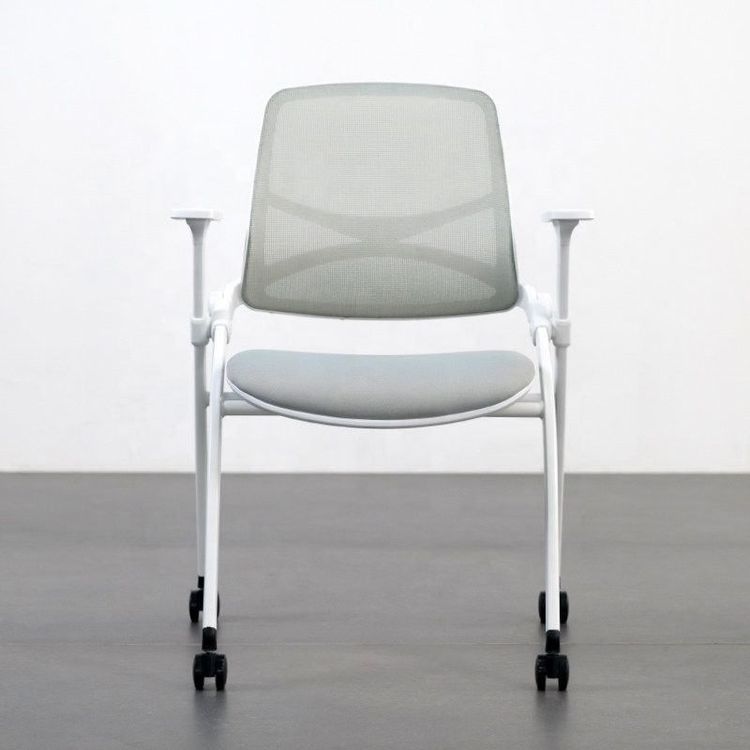
Office Chair Casters Explained: How to Choose the Right One
Choosing the right office chair casters requires considering factors such as load capacity, material, size, applicable scenarios, and compatibility. Here is a detailed analysis:

1. Load Capacity is a Core Indicator
The load capacity of office chair casters should match the user's weight and daily usage scenarios. For example, some casters are rated for 650 pounds (about 295 kilograms), suitable for users with a heavier weight or those who need to frequently move heavy objects. Insufficient load capacity may lead to deformation, poor rotation, or even damage to the casters, affecting safety. It is recommended to choose a load capacity slightly higher than the actual needs to provide a safety margin.
2. Material Determines Durability and Floor Protection
The material of the casters directly affects their wear resistance, noise reduction, and floor protection. Common materials include:
- TPR Rubber: For example, dual-wheel TPR rubber casters are quiet and do not scratch hardwood floors, making them suitable for smooth surfaces like wood floors and tiles in homes or offices.
- Polyurethane (PU): More wear-resistant than rubber, suitable for soft floors like carpets, but may cause slight scratches on hard floors.
- Nylon or Hard Plastic: Lower cost but poorer wear resistance and noise reduction, easily damaging floors, and not recommended for long-term use.
3. Size and Number of Wheels Affect Mobility
The smaller the diameter of the casters (such as a 2-inch low-profile design), the closer the chair is to the ground, providing higher stability but potentially increasing rolling resistance. Larger diameters are more suitable for thick carpets but may take up more space. Dual-wheel designs (such as dual-wheel TPR rubber) are more stable than single wheels and are suitable for scenarios requiring frequent movement. Additionally, the number of casters is usually five (standard office chair configuration), which can distribute pressure and improve balance.
4. Applicable Scenarios and Compatibility
- Floor Type: Hardwood floors require soft rubber or PU casters; carpets need large-diameter or hard casters to reduce resistance.
- Chair Stem Compatibility: It is necessary to confirm whether the casters are compatible with the diameter of the chair stem (such as a 7/16-inch stem). Some products may not be suitable for IKEA chairs or chairs with special stem designs.
- Special Needs: If used on slopes or uneven floors, casters with brake functions should be chosen to enhance safety.
5. Other Details Optimize the Experience
- Noise Reduction Design: TPR or PU casters can reduce movement noise, suitable for open offices or home environments.
- Heavy-Duty Brackets: Heavy-duty steel brackets can improve overall load capacity and extend service life.
- Color and Appearance: Neutral colors like gray blend more easily into office environments, but functionality should be prioritized.
Summary: When choosing office chair casters, prioritize evaluating load capacity, material, and size, then consider usage scenarios (floor type, chair stem compatibility) and special needs (noise reduction, brakes) for selection. For example, users with hardwood floors may prioritize TPR rubber, dual-wheel, 2-inch diameter casters, and confirm chair stem compatibility; users with thick carpets may need large-diameter, hard casters to improve mobility.