
Export of Office Chairs and Boss Chairs
The export of office chairs and boss chairs involves various aspects such as product types, enterprise distribution, product features, and market trends. Here is a detailed analysis:
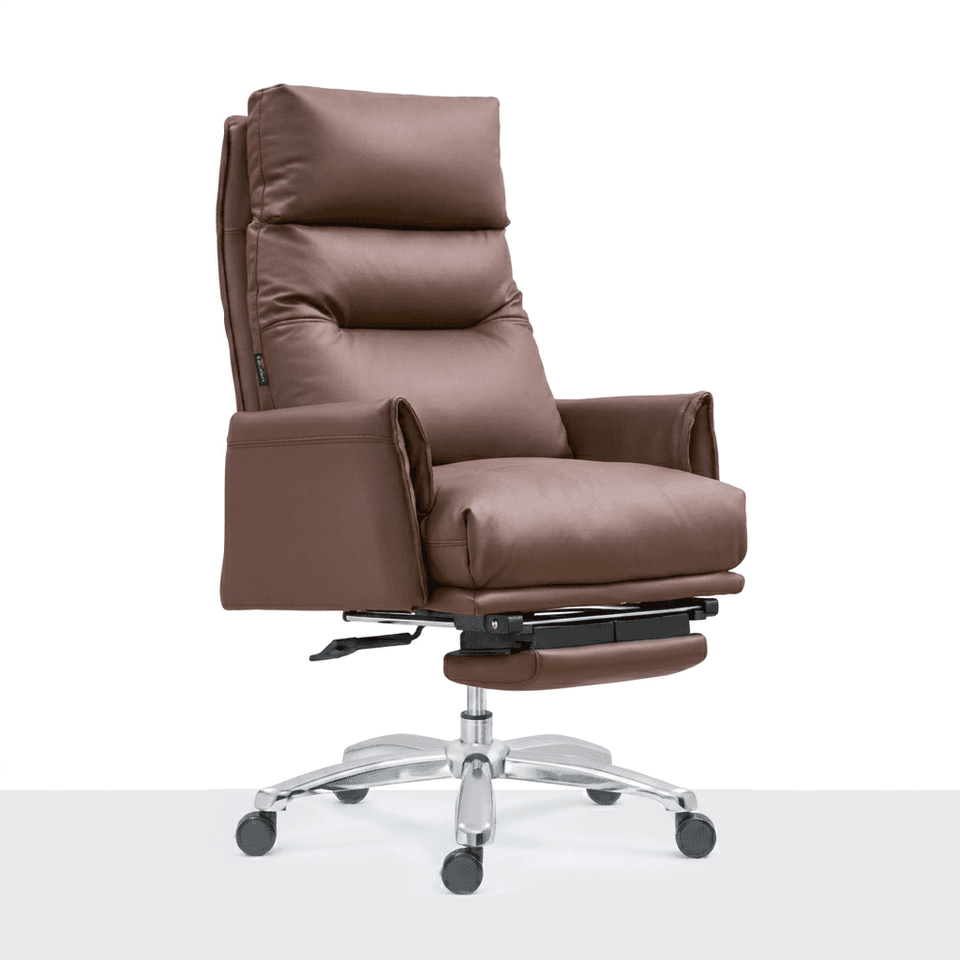
I. Export Product Types and Prices The exported office chairs and boss chairs cover a wide range of types, with prices varying significantly due to differences in functions and designs. For example, the cross-border exported OEM tourmaline germanium intelligent constant-temperature heating office chair cushion is priced at ¥320.0, focusing on the intelligent heating function; the high-end reclining genuine leather boss chair is priced at ¥432.11, emphasizing comfort and nap functionality; the ergonomic chair for foreign trade export adopts a mesh back and seat cotton design, priced at ¥670.0, highlighting breathability and support. In addition, some products are priced as low as ¥215.79, attracting the market with their cost-effectiveness. These products enter the global market through cross-border e-commerce or factory direct sales models, meeting the needs of different consumer levels.
II. Export Enterprises and Regional Distribution China is the major exporter of office chairs and boss chairs, with a significant industrial cluster effect. Anji, Zhejiang, is known as the "World Chair Town," with its chair industry exports accounting for half of the national total. Enterprises expand their global market through cross-border e-commerce platforms, forming a large-scale export advantage. The Foshan region also has a concentration of export enterprises, such as Foshan Nanhai Paimanli Furniture Factory and Foshan Ruixing Furniture Co., Ltd., which offer a diverse range of exported boss chairs, covering the mid-to-high-end market. These enterprises rely on regional industrial chain support to achieve efficient collaboration from design to production.
III. Product Features and Technological Upgrades Exported products focus on functional innovation and ergonomic design. For example, some boss chairs are equipped with dynamic balance systems, 4D customizable armrests, and imported mesh fabric support to enhance long-term sitting comfort; functions such as intelligent constant-temperature heating and breathable mesh fabric are optimized for different climates and usage scenarios. In addition, ergonomic chairs meet personalized needs through adjustable lumbar supports, headrests, and other designs, enhancing product competitiveness. These technological upgrades enable Chinese-exported office chairs and boss chairs to occupy a certain advantage in the international market.
IV. Market Trends and Industry Transformation The traditional OEM model has limited profit margins, and enterprises are upgrading their value chains through branding and cross-border e-commerce transformation. For example, Anji's chair industry enhances product added value by building its own brands and optimizing supply chain management; Foshan enterprises directly reach overseas consumers through cross-border e-commerce platforms, reducing intermediate costs. Meanwhile, eco-friendly materials and sustainable design have become new trends, with some enterprises starting to use recyclable materials to produce office chairs, responding to global green consumption demands.


