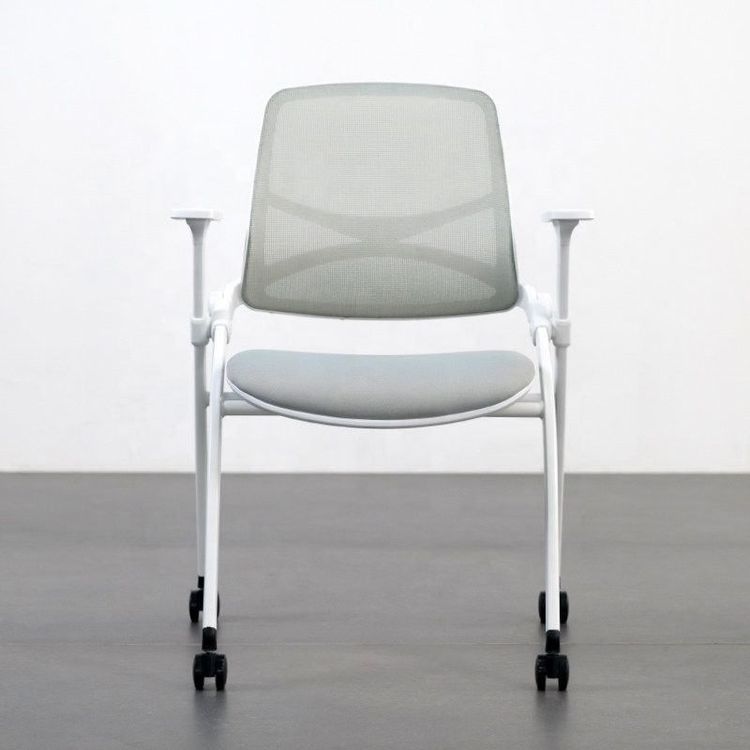
Office Chair 130 Degrees
The design of the 130-degree recline angle for office chairs is scientifically based and can significantly enhance user comfort, with some products already incorporating this feature.

Comfort Principles of the 130-Degree Recline Angle
From an ergonomic perspective, a 130-degree recline angle is closer to a lying-down position, effectively distributing body pressure. According to relevant data, a 130° recline angle offers higher comfort during lunch breaks because it evenly distributes pressure across the head, back, and legs, reducing continuous stress on a single area (such as the waist) and thereby lowering fatigue. Biomechanical research further supports this conclusion: In a proper sitting or semi-reclined position, the angle between the back and the seat surface should be maintained between 120 and 130 degrees. This range not only maintains the natural curvature of the spine but also avoids muscle tension caused by angles that are too small or the risk of sliding due to angles that are too large.
Practical Application Value of the 130-Degree Recline
For individuals who need to work at a desk for extended periods, the 130-degree recline function allows for seamless switching between “work-rest” modes. For example, during a short lunch break, users do not need to prepare an additional recliner; simply adjusting the backrest angle provides an experience close to lying down, saving space and improving efficiency. Additionally, the Henglin Nixizhe First Generation Gray Office Chair has implemented a 130-degree recline function, equipped with a steel frame and a retractable footrest, further enhancing stability and leg support. The steel frame can withstand greater weight, preventing tipping during recline; the footrest elevates the legs, promoting blood circulation, especially suitable for those sitting for long periods to alleviate lower limb swelling.
Precautions and Suitable Scenarios
Despite the obvious advantages of a 130-degree recline, it is important to consider the appropriateness of the usage scenario. For example, in tasks requiring high concentration, such as writing or design, excessive recline may affect visibility and operational convenience; whereas, in scenarios like lunch breaks, reading, or video conferences, this angle maximizes comfort. Additionally, users should adjust the backrest height according to their own height to ensure that the neck and head naturally fit against the backrest during recline, avoiding suspension that increases cervical spine pressure.