
Office Area Office Chairs
Office chairs in office areas are chairs equipped for daily work and social activities. Broadly speaking, they include executive chairs, staff chairs, etc. Among them, office swivel chairs have become the mainstream choice in modern office settings due to their diverse functions and ergonomic design.
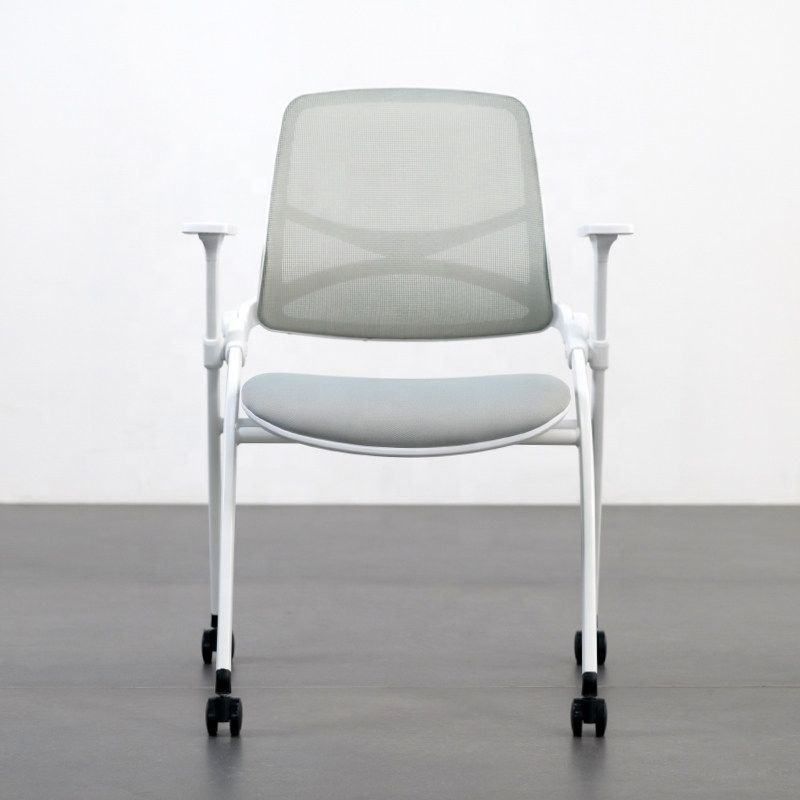
Classification and Functions of Office Chairs
Office chairs can be divided into narrow and broad categories based on usage scenarios and functions. Narrow office chairs refer to backrest chairs used for desk work in a sitting position, emphasizing support for the lower back. Broad office chairs cover all chairs used in offices, including executive chairs, mid-back chairs, and staff chairs. Among them, office swivel chairs are a typical representative, with core functions including rotation, height adjustment, and mobility. They adjust height through a pneumatic height adjustment system to accommodate users of different heights. The five-star base and casters enable 360-degree rotation and flexible movement, enhancing office efficiency. Some high-end models are also equipped with adjustable lumbar supports, armrests, and headrests to further conform to the natural physiological curves of the human body.
Core Components and Design Principles of Office Swivel Chairs
The performance of office swivel chairs depends on their component design:
- Pneumatic Height Adjustment System: It enables stepless height adjustment through a pneumatic rod, ensuring that users can keep their feet flat on the ground and maintain a correct sitting posture.
- Elastic Support Frame and Casters: They support the seat cushion and backrest, cushion pressure, and the locking function of the casters prevents accidental sliding.
- Ergonomic Structure: The adjustable lumbar support supports the lumbar spine and reduces fatigue from prolonged sitting. The adjustable height and angle of the armrests prevent shoulder and neck stiffness. The headrest design relieves neck pressure. For example, executive chairs usually feature high backrests and standard armrests, suitable for long meetings by management. Staff chairs, on the other hand, are mainly designed with low backrests and no armrests to save space and facilitate movement.
Selection Criteria and Development Trends of Office Chairs
High-quality office chairs should meet the following criteria:
- Adjustability: Components such as height, armrests, and lumbar supports support personalized adjustment.
- Breathability: Seat cushions and backrests made of mesh or breathable materials reduce a stuffy feeling.
- Supportiveness: Ergonomic curve designs distribute body pressure.
- Flexibility: Smooth rotation and movement functions adapt to dynamic office needs. With the increase in health awareness, ergonomic chairs have gradually become mainstream, preventing lumbar and cervical spine diseases through scientific design. The future market will show trends of branding, high-endization, intelligence, and environmental friendliness: intelligent office chairs may integrate sensors to monitor sitting postures, and environmentally friendly materials will reduce the impact on the environment.



