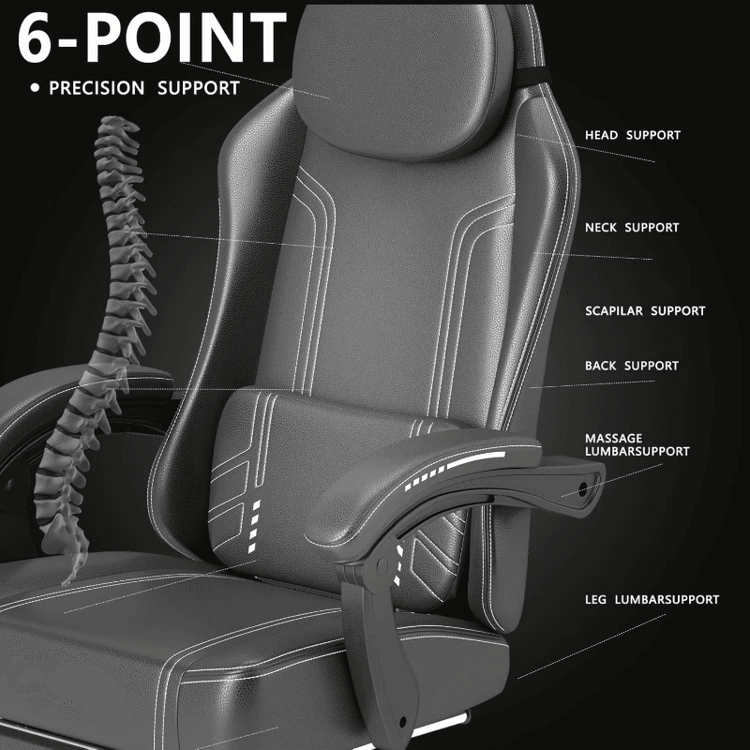
Nurse Office Chair Images
Currently, images of nurse office chairs cannot be directly provided, but their common features and design points can be described in detail. Nurse office chairs are specialized seats designed for healthcare professionals in medical environments, with a design that balances functionality, comfort, and hygiene needs. The following elaborates on their core features, design details, and purchasing recommendations from three aspects:

I. Core Functional Features
Ergonomic Design
Nurse office chairs typically feature adjustable lumbar supports and headrests to support the natural curve of the spine during prolonged sitting, reducing pressure on the lower back and neck. The backrest height is adjustable, and some models are equipped with dynamic tracking functions that automatically adjust the support angle according to the user's sitting posture changes, accommodating the frequent turning and bending movements of nurses.Height and Rotation Adjustment
The seat height is infinitely adjustable via a pneumatic rod to accommodate healthcare professionals of different heights, ensuring that the thighs are parallel to the ground when the feet are flat on the floor. The 360-degree rotation design facilitates quick movement of nurses within the office area, reducing the number of times they need to stand up and enhancing work efficiency.Mobility Convenience
The bottom is equipped with five-claw casters, mostly made of silent nylon or rubber, which can adapt to the smooth floors of hospitals while reducing movement noise. Some high-end models adopt a dual-wheel design to enhance load-bearing stability and prevent the chair from tipping over due to frequent movement.
II. Hygiene and Safety Design
Easy-to-Clean Materials
The seat and backrest often use antibacterial PU leather or high-density mesh fabric. The former is waterproof and stain-resistant, easy to wipe clean; the latter is breathable and suitable for prolonged use. The edges and seams are seamlessly welded or sealed to prevent liquid penetration into the internal structure and reduce the risk of bacterial growth.Fire Resistance and Environmental Standards
They comply with fire safety regulations in medical settings, with seat materials passing flame-retardant tests (such as the US CAL 117 standard). Additionally, low-volatile organic compound (VOC) materials are selected to avoid health hazards to healthcare professionals and patients.Load-Bearing and Stability
The chair frame is made of thickened steel pipes or high-strength engineering plastics, with a load-bearing capacity typically exceeding 120kg to ensure the safety of larger users. The five-star base has a diameter of no less than 60cm to disperse pressure and prevent tipping.
III. Purchasing Recommendations
Choose Based on Usage Scenarios
If prolonged desk work is required, prioritize models with adjustable armrests to support the arms and reduce shoulder fatigue; if space is limited, opt for a compact design to reduce the footprint.Focus on Brand and After-Sales Service
Select professional medical furniture brands, such as Herman Miller and Haworth, whose products have undergone rigorous testing and are more durable. Also, confirm the warranty period (usually 3-5 years) and spare parts replacement services.Test Sitting Experience
Before purchasing, try sitting in the chair as much as possible to check if the backrest elasticity and seat cushion softness are appropriate, and whether the adjustment mechanisms operate smoothly to avoid discomfort due to design flaws.