
Lobby Office Chair
A lobby office chair typically refers to a chair placed in public spaces such as office lobbies and reception areas, used by visitors and employees for temporary rest or waiting. Its design needs to balance functionality, comfort, and spatial adaptability.
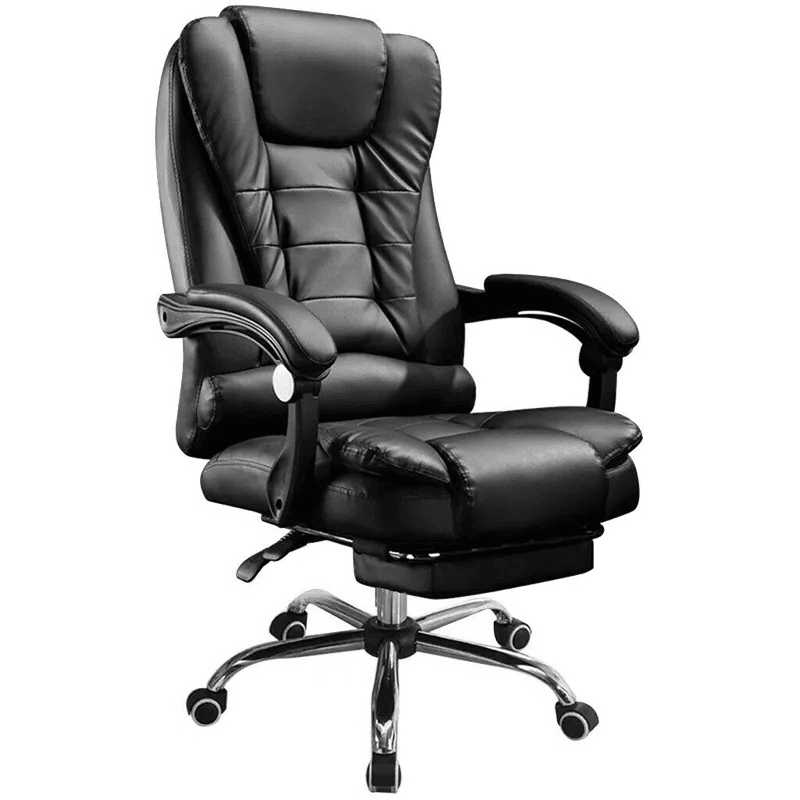
I. Core Functional Features
Basic Support Function
Lobby office chairs need to meet the basic needs of human sitting postures, providing a stable support structure. The seat surface is usually made of high-density foam or breathable mesh fabric to ensure it does not collapse easily during prolonged use while maintaining comfort for the buttocks and thighs. The backrest design is mostly curved, fitting the natural curve of the human spine to relieve fatigue from prolonged sitting. Some high-end models incorporate lumbar support modules with adjustable designs to accommodate users of different body types.Dynamic Adjustment Capability
Some lobby office chairs are equipped with multi-angle adjustment functions, allowing users to adjust the backrest tilt (e.g., within the range of 90°-135°) according to their needs, enabling a transition from an upright sitting position to a semi-reclined position. Additionally, parameters such as armrest height and seat depth may also support fine adjustments to accommodate the usage habits of people of different heights, enhancing personalized comfort.Spatial Adaptability
As a public area, the lobby requires chairs to be lightweight and easy to move. Common designs include wheeled bases (for easy dragging) or stackable structures (to save space). At the same time, material selection needs to consider durability, such as metal frames paired with scratch-resistant coatings to prevent wear and tear from frequent use.
II. Design Classifications and Scene Adaptation
Reception Area Specialized Chairs
These chairs are usually matched with the layout of the front desk or rest area, with a design style leaning towards simplicity and modernity. Colors are primarily neutral (black, gray, white), with some incorporating corporate logo colors as accents. In terms of materials, leather or faux leather seat surfaces are often used to enhance texture and ease of cleaning.Waiting Area Multi-functional Chairs
For scenarios involving long waiting times, chairs may include additional features such as retractable footrests and charging ports. The backrest angle adjustment range is also larger, supporting an almost lying position. Material selection places greater emphasis on breathability, such as mesh backrests paired with breathable seat cushions to reduce heat buildup.Temporary Office Chairs
Some lobbies need to accommodate temporary office needs. Chairs may be equipped with functions such as swivel seats and height-adjustable gas rods, allowing users to adjust height and direction easily. Paired with a mobile side table, they meet the needs of short-term office work or form filling.
III. Purchase Recommendations
When selecting a lobby office chair, priority should be given to the scale of the space and frequency of use. For high-frequency use areas (such as reception areas in large enterprises), it is recommended to choose durable models with metal frames and high-density foam seat surfaces. For low-frequency use scenarios (such as waiting areas in small companies), emphasis can be placed on lightness and design aesthetics. Additionally, it is important to check whether the chair has passed international safety certifications such as BIFMA (Business and Institutional Furniture Manufacturers Association) to ensure structural stability and environmental friendliness.


