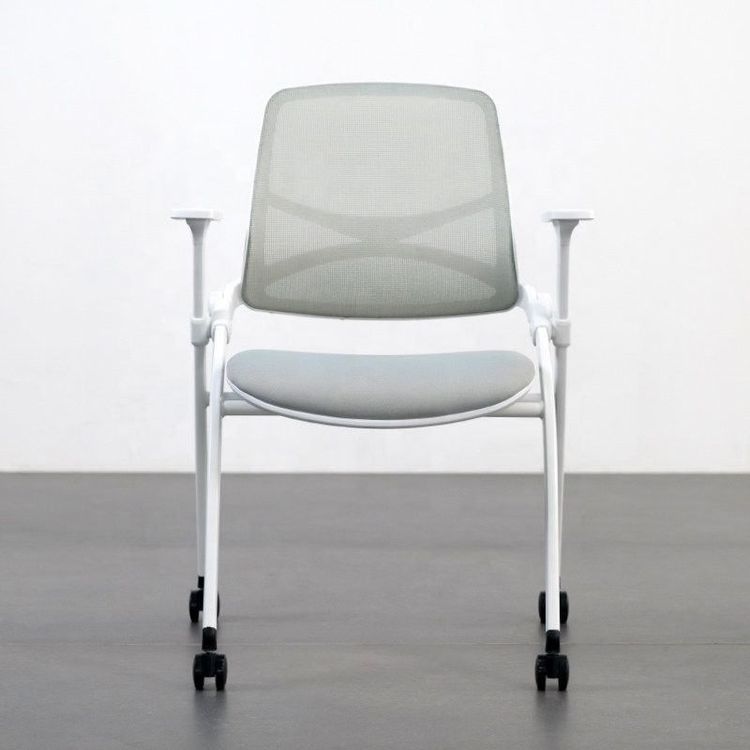
Leather Office Chair Repair
Leather office chair repair typically includes comprehensive inspection, cleaning, leather restoration, component reinforcement and replacement, lift rod repair, and construction protection steps.

Comprehensive Inspection
Before repair, a systematic inspection of the office chair is required to identify the main problem types. Common issues include leather aging and cracking (such as cracks on the seat or backrest), loose connecting components (such as screws falling off, leading to structural instability), metal frame deformation (affecting load-bearing balance), and lift rod jamming (inability to adjust height or remain fixed). Through comprehensive inspection, fault points can be accurately located to provide a basis for subsequent repairs.Cleaning
Use a dedicated leather cleaner to remove oil stains, dust, and adherents from the chair body, preventing stains from penetrating the leather interior and accelerating aging. For damaged areas (such as minor abrasions or cracks), thoroughly clean with a multi-functional cleaner first to ensure that the repair material fully adheres to the leather surface. After cleaning, allow it to dry naturally to avoid residual moisture affecting the repair effect.Leather Restoration
Fine-tune the cracked areas: first, sand the edges with sandpaper to remove burrs, apply dedicated leather glue to bond the cracks, and after drying, use a matching leather repair paste to fill the depressions. Finally, complete the coloring and sealing layer through spraying or brushing. The repair paste must closely match the original leather color and gloss to restore appearance consistency.Component Reinforcement and Replacement
For connecting component issues, replace with high-strength reinforced screws to enhance structural stability; for deformed frames, use hydraulic correction or welding repair to ensure that the backrest, armrests, and other parts are not tilted; if the frame is severely corroded, replace the entire component. All metal components should be treated with anti-rust measures after repair to extend their service life.Lift Rod Repair
Disassemble the lift rod to clean internal dust and replenish dedicated hydraulic oil to restore lubricity; adjust the bearings for smooth lifting and ensure accurate height adjustment and stable fixation. If the internal seals of the lift rod age and cause oil leakage, replace the seals or the entire lift rod.Construction Protection
Lay anti-fouling mats throughout the repair process to prevent oil stains and debris from contaminating the office area; clean the site after repair to ensure no residual debris. Ventilate the repair area to accelerate the drying of the leather repair agent and reduce odor residue.
Through a systematic repair process, the structural stability and appearance quality of the leather office chair can be restored, extending its service life. It is recommended to perform regular maintenance (such as cleaning the leather and checking screw tightness every 3-6 months) to prevent faults from occurring.