Jiaoyi Office Chair
There is no direct design inheritance relationship between the Jiaoyi chair and modern office chairs, but the design concept of the Jiaoyi chair may have inspired the portability design of modern office chairs.

History and Functional Characteristics of the Jiaoyi Chair
The Jiaoyi chair originated from the ancient "Maza" (a type of folding stool), also known as the "Hu bed." Initially, it was a military tool used by northern ethnic minorities, featuring foldability and portability. After being introduced to the Central Plains during the Eastern Han Dynasty, it was renamed "Jiao bed" in the Sui Dynasty. During the Southern Song Dynasty, a backrest was added, gradually evolving into the Jiaoyi chair. Traditionally, the Jiaoyi chair was mostly used by the upper class in history, such as by emperors during travels or generals during military campaigns, serving as a symbol of status. Its core design features include a foldable structure, portability, and stability suitable for outdoor use.
Functions and Design of Modern Office Chairs
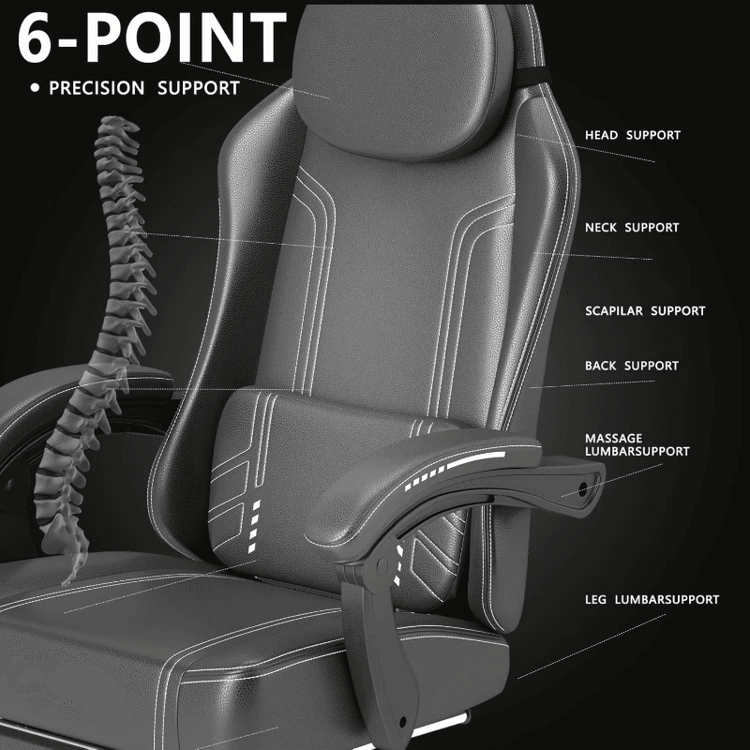
Modern office chairs differ significantly from Jiaoyi chairs in terms of function. Modern office chairs incorporate anatomical design, giving rise to the category of ergonomic chairs. They achieve dynamic lumbar support through smart chips and high-sensitivity sensors and integrate immersive acoustic systems with health monitoring functions. For example, the three-zone adaptive lumbar support technology and highly elastic anti-aging mesh fabric introduced by the industry in 2025 significantly enhance the comfort and functionality of office chairs. The design focus of modern office chairs lies in providing support for prolonged sitting, health monitoring, and a smart experience, rather than portability or foldability.
Potential Connections in Design Concepts
Although there are significant functional differences between the Jiaoyi chair and modern office chairs, the foldable and portable design concept of the Jiaoyi chair may have inspired certain designs of modern office chairs. For instance, some modern office chairs may have borrowed the folding structure principle of the Jiaoyi chair when pursuing lightweight or mobile designs. However, there is currently no direct evidence indicating that the design of modern office chairs is directly inherited from the Jiaoyi chair. The design paths of the two are more independent, with only a conceptual overlap in the universal need for portability.
Conclusion
As a traditional piece of furniture, the historical functions of the Jiaoyi chair are vastly different from the intelligent and health-oriented demands of modern office chairs. The design connection between the two is more about the universal need for portability rather than direct design inheritance. The development of modern office chairs mainly relies on advances in ergonomics, material science, and smart technology, with no direct inheritance relationship with the historical functions of the Jiaoyi chair.