
Inventory Office Chair Disposal
The following solutions can be referred to for inventory office chair disposal, aiming to achieve efficient clearance and maximize residual value through classification, pricing, channel stratification, and promotional strategies:
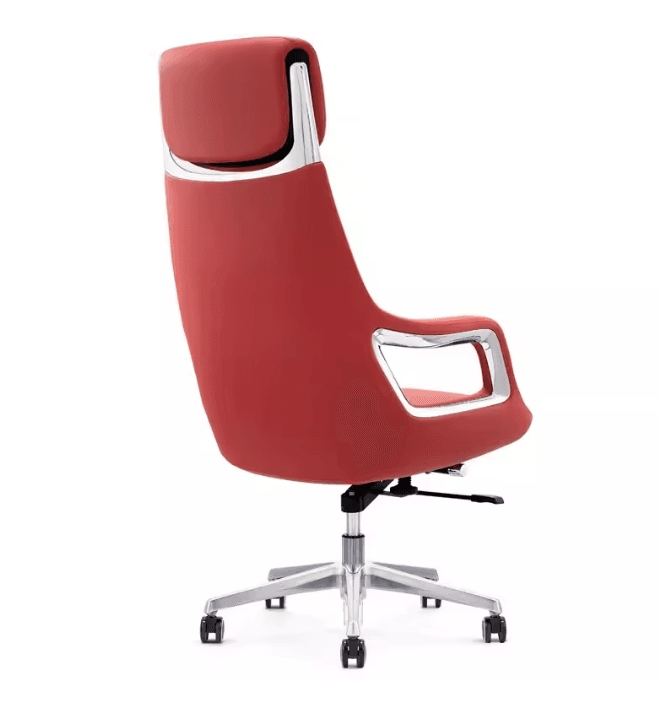
I. Comprehensive Inventory and Classification Conduct a systematic inventory of the office chairs in stock and classify them into three grades based on their condition:
- 90% New: Used for less than 3 months, with no obvious scratches or structural damage (e.g., no deformation of the frame, smooth wheels);
- 70-80% New: Used for 3 months to 1 year, with only slight signs of use (e.g., slight wear on the seat surface, complete components);
- Below 70% New: Used for more than 1 year, with obvious bumps, scratches, or slightly loose components (but without affecting basic functionality). Classification allows for accurate residual value assessment. For example, in a certain case, 90% new chairs accounted for 28%, 70-80% new chairs accounted for 57%, and chairs below 70% new accounted for 15%, providing a basis for subsequent pricing.
II. Tiered Pricing Strategy Set differentiated prices based on the condition and original purchase price:
- High-value chair types (e.g., ergonomic chairs): If the original purchase price is 899 yuan per chair, a 90% new chair with normal functionality (e.g., normal lumbar support and height adjustment) can be priced at 120 yuan per chair for disposal;
- Mid-range chair types (e.g., office bow chairs): With an original purchase price of 120 yuan per chair, a 90% new chair with only slight wear on the seat surface can be priced as low as 15 yuan per chair for disposal;
- Brand-new or nearly new chair types (e.g., graphite chairs): A brand-new chair with an ex-factory price of 189 yuan per unit can be priced at 79 yuan per unit for disposal, and a 90% new chair can be further reduced to 49 yuan per unit, with additional quantity discounts (e.g., a reduction of 3 yuan per unit for purchases of over 50 units).
III. Stratified Disposal Channels
- Internal Consumption: Release application announcements through the OA system or employee groups. Employees can purchase at a 30% discount of the assessed price, and departments can apply for free and maintain them on their own; or introduce an "Employee Referral Reward" (e.g., a 5-yuan red packet for each successful referral of a friend or relative).
- Bulk Sales: Connect with small and micro enterprises, business parks, or second-hand furniture dealers, providing conveniences such as free delivery for single batches of over 10 units and on-site pickup for over 20 units; merchants making bulk purchases can enjoy discounts and also receive a 3-month free warranty.
- Online Retail: Post information on platforms such as Xianyu and 58.com, indicating the self-pickup address and attaching photos of physical flaws; offer services such as "free delivery for purchases of over 5 chairs", or post videos through local life accounts, giving away chair covers for self-pickup and charging an additional 5 yuan for delivery.
- Charitable Donations: Contact institutions such as migrant workers' children's schools and community activity centers to dispose of the chairs in a semi-sale, semi-gift manner, such as "100 yuan for 10 chairs", balancing social benefits and cost recovery.
IV. Promotional and Incentive Measures Set bulk discount rules (e.g., a 20% discount for a single purchase of 10 chairs, a 30% discount for 30 chairs, and a reduction of 200 yuan for a one-time clearance of the entire inventory); send exclusive notifications to old customers, reserve an inventory period, and provide free delivery services to accelerate the clearance efficiency.
V. Special Scenario Handling For office chairs that cannot be used, they can be disposed of through auction platforms by classifying them according to the year of manufacture and material (clear photos and descriptions are required); or convert their usage scenarios (e.g., for use in the company's canteen or conference room) to further reduce disposal costs.


