Back to blog
Article
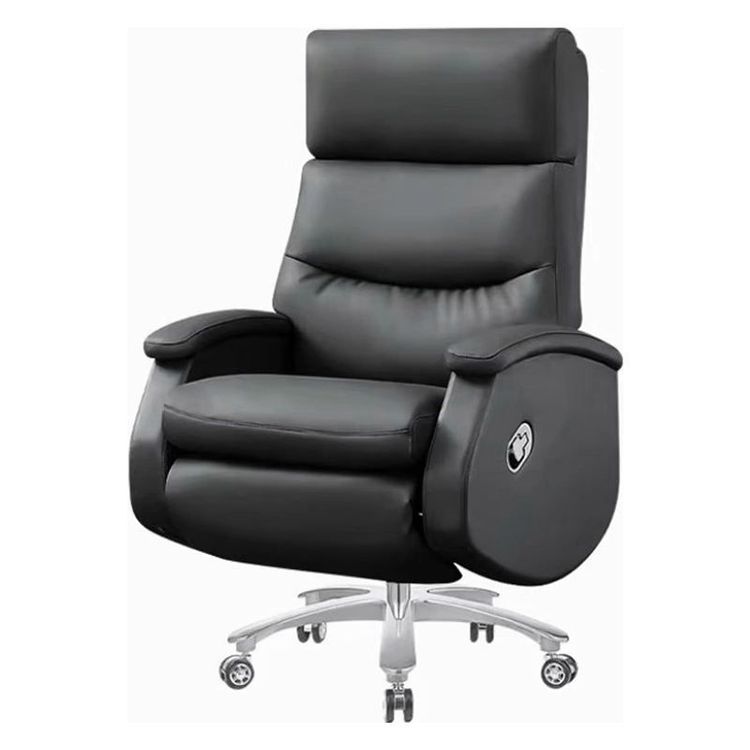
How to Choose Office Chairs
Admin October 09, 2026
Choosing office chairs requires comprehensive consideration based on budget, usage scenarios, and body type. Here are specific suggestions:

I. Key Points for Selecting Budget-Friendly Office Chairs
If the budget is limited, pay attention to common models in physical stores (costing from tens to two hundred yuan). However, the following details should be noted:
- Load-Bearing Structure: Prioritize chairs with a heavier weight. If the metal tubes are too light (e.g., as thin as 0.8 mm), prolonged sitting by heavier individuals may cause tube deformation or even breakage. Tubes with a thickness of 1.2 mm or more offer more stable load-bearing capacity, but heavier individuals should still exercise caution.
- Support Design: Check whether the chair legs and armrests are formed from a single metal tube. Point-tube design can enhance load-bearing capacity. The backrest should have metal tube support to avoid relying solely on mesh or plastic structures.
- Material Safety: For mesh, choose ordinary polyester material (avoid low-quality mesh with poor resilience). For foam cushions, ensure they are not made of recycled cotton. The thickness of the wooden board layer should be no less than 3 mm to prevent sagging.
- Lumbar Support Optimization: Budget chairs generally have weak lumbar support. This can be temporarily enhanced by using a cushion or wool pad, but for long-term use, it is recommended to upgrade to an ergonomic chair.
II. Selection Criteria for Computer Chairs (Including Those Suitable for Office Scenarios)
If the budget allows or prolonged sitting is required, prioritize professional computer chairs and focus on the following core parameters:
- Lumbar and Back Support System:
- Prioritize models with dynamic lumbar support (e.g., the ZeroG Flow Dynamic Lumbar Support System of the SumLush Xia Mumu Fit CC), which can improve lumbar spine support fit by 85% and lumbar muscle support by 115%, effectively dispersing spinal pressure.
- The chair back should fit the curve of the back to avoid a flat design that leaves the waist hanging. A full-back support structure (e.g., FullSup technology) can further reduce the risk of lumbar spine injury.
- Adjustability and Flexibility:
- Seat depth adjustment should cover the length of the thighs to avoid pressure on the back of the knees. Armrest height and angle should match the desktop to reduce shoulder and neck fatigue.
- The headrest should support up-down and rotation adjustments to accommodate different heights. The recline angle is recommended to reach over 130° to meet lunch break needs.
- Component Quality and Safety:
- The chassis should be certified by BIFMA to ensure stable load-bearing capacity. The gas lift should be Class III or IV (marked with 'SGS certification') to avoid explosion risks.
- For chair legs, prioritize five-star aluminum alloy material. For nylon material, confirm the tube wall thickness (recommended to be ≥3 mm).
III. Customized Selection Based on Usage Scenarios
- Prolonged Office Work: Choose models with headrests adjustable to ear height to avoid neck forward tilt caused by looking down. Armrests should be level with the desktop to reduce arm suspension.
- Lunch Break Needs: Prioritize models with a large recline angle (≥135°) and a footrest, paired with breathable mesh to avoid stuffiness.
- Heavier Individuals: Avoid lightweight designs. Choose models with tube thickness ≥1.5 mm and a weighted chassis, and confirm the warranty policy (e.g., a frame warranty of more than five years).
Tip: Before purchasing, verify specific parameters (e.g., gas lift class, tube thickness) and keep return and exchange vouchers to avoid闲置 (unused items) due to size or comfort issues.