How to Build a Flexible, Efficient Office with People at the Center
Driven by evolving work models and role requirements, more and more companies are drifting toward flexible working. But because office spaces and their furniture were configured five, ten, or even more years ago, they struggle to deliver lower operating costs and higher organizational efficiency. So how can space reconfiguration and a scientific approach to office furniture truly make flexible working work?
I. Optimize Space Efficiency and Make One Zone Serve Many Uses
Under the traditional fixed-desk model, employees are 'pinned to their desks': whether they're traveling or out meeting clients, their workstations sit idle. The result is high vacancy rates and mismatched resources.
One solution is to introduce the idea of 'space sharing.' Compared with traditional sharing models, Yihang recommends building an intelligent shared-desk system with modular office furniture to create a dynamic space-allocation mechanism.
Employees choose based on the task at hand: focused thinking or team collaboration—then book the appropriate workstation themselves. This flexible, adaptable desk-and-chair layout turns fixed space costs into an elastic investment in spatial efficiency, achieving 'one zone, many uses.'
Modular office furniture is especially suited to companies prioritizing space and budget. Through modular combinations, the same area can be a quiet focus zone enclosed by movable partitions in the morning; in the afternoon, slide the partitions open and roll the wheeled desks aside, and it instantly becomes an open collaboration space for team brainstorming. One space, multiple functions—every square meter put to full use.
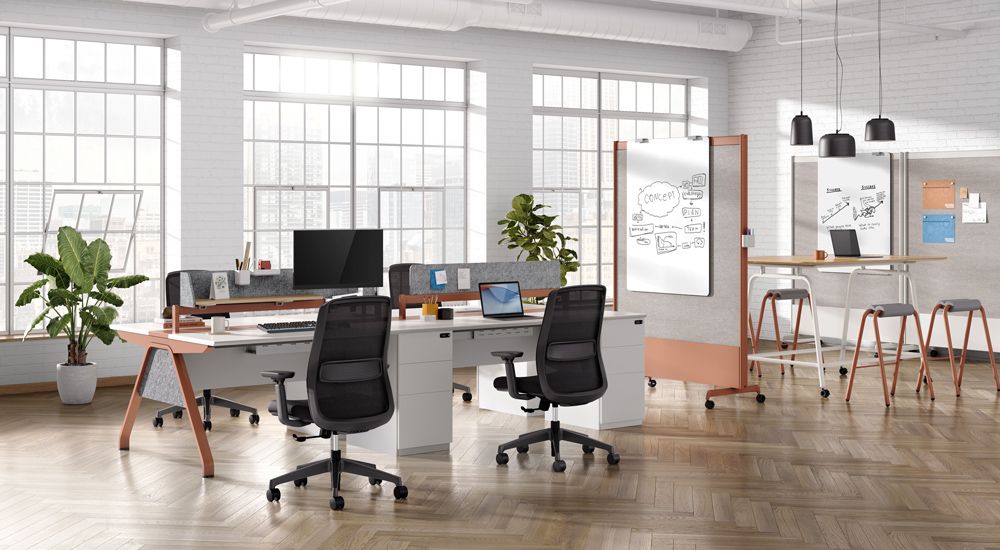
II. Elevate Employee Experience and Work Efficiency
Employees come to the office largely to be with colleagues face to face. Office design must therefore promote collaborative efficiency while protecting the privacy needed for focused work—and selecting the right furniture is especially critical here.
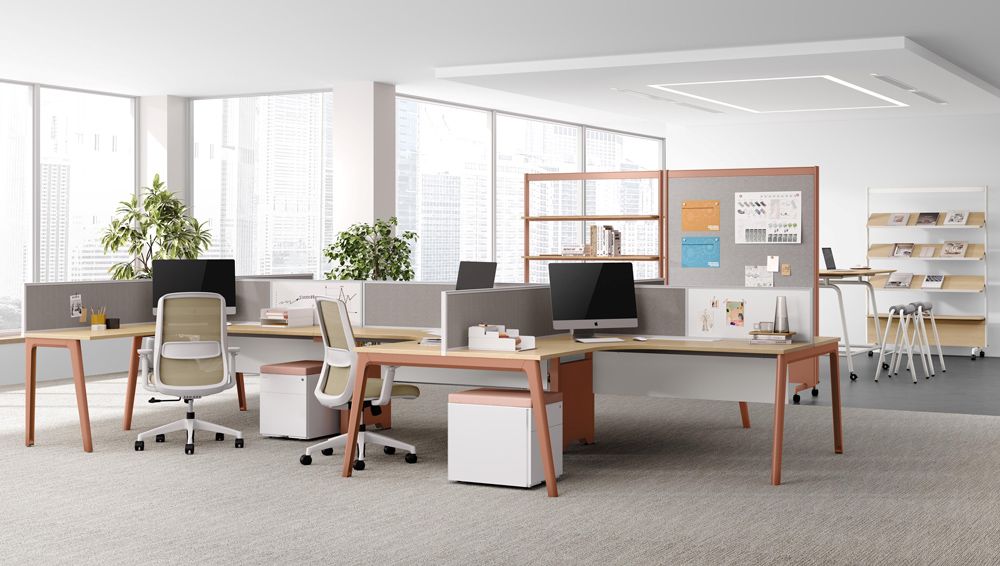
Seamless switching between collaboration and focus: replace fixed walls with Yihang's flexible partition system. Open the partitions when it's time to discuss, creating a transparent collaboration zone; close them when concentration is needed, and an independent workspace appears instantly. Employees no longer trek around hunting for meeting rooms—the desk layout changes as needed.
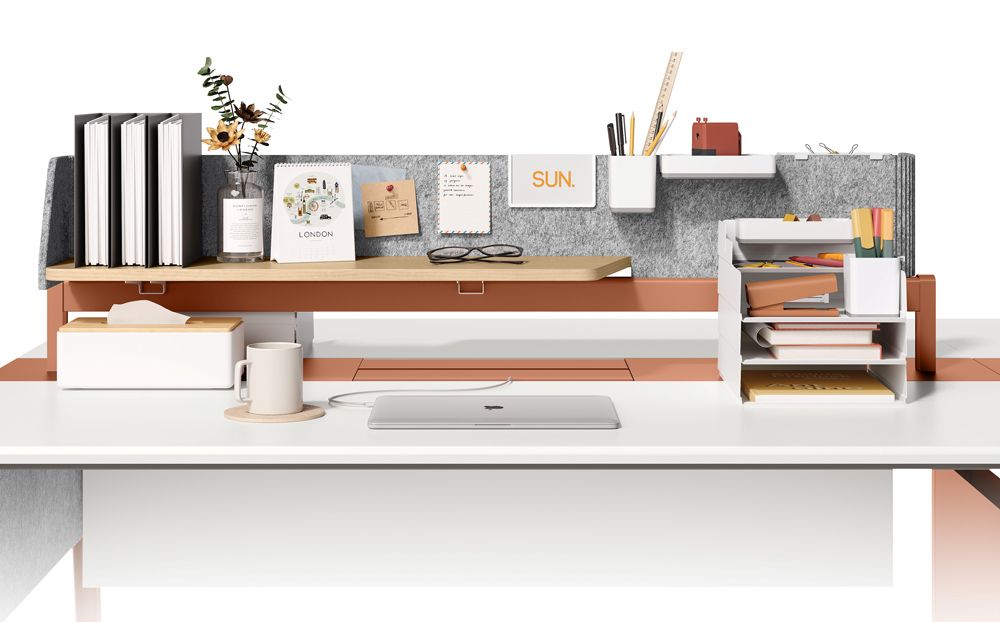
Details that boost efficiency: integrate handy pen holders, multifunctional hooks, and charging ports within easy reach at every workstation. Yihang's human-centered design helps employees cut down on small distractions and stay focused on core work.
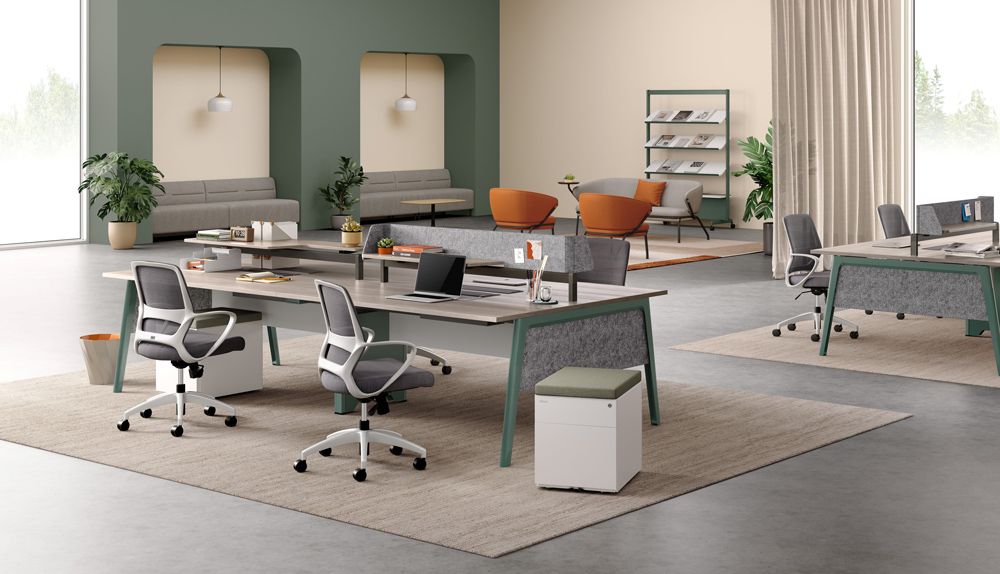
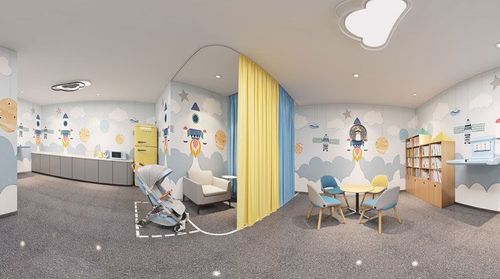
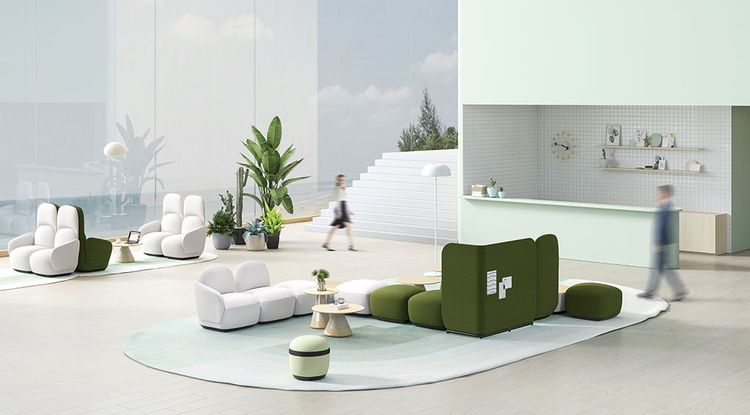
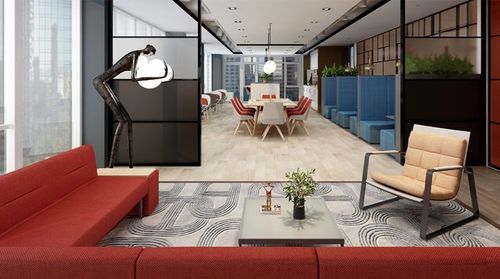
Encouraging cross-departmental interaction: set up casual corners with lightweight sofas and mobile whiteboards. With Yihang's ergonomic lounge seating and mobile furniture, employees naturally strike up informal conversations over coffee, sparking innovative ideas.
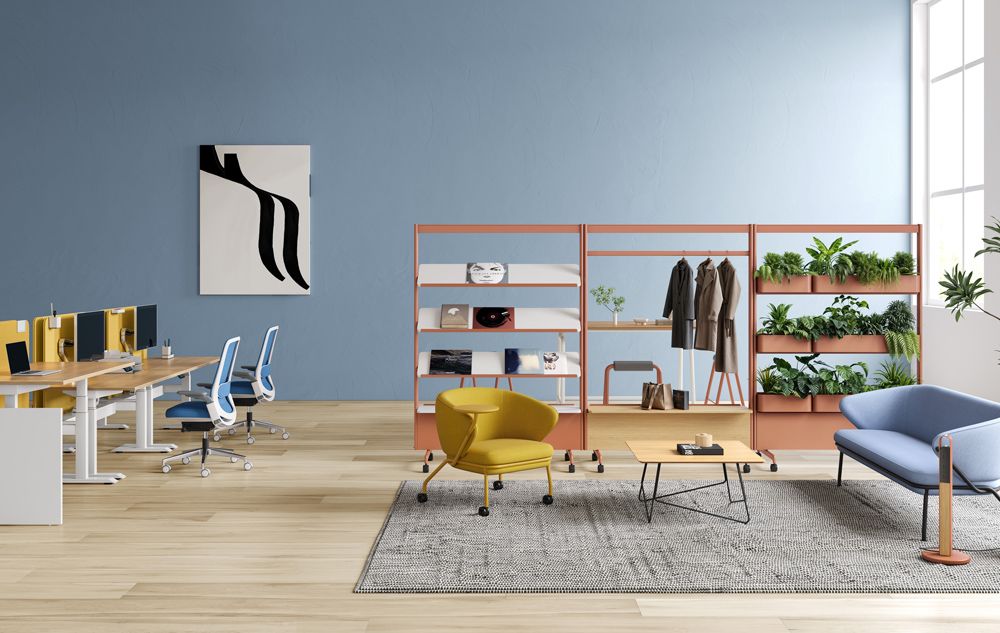
Creating a healthy, comfortable office: equip the space with height-adjustable desks, plant shelves, and scientific lighting. Yihang's ergonomic desks and chairs and eco-friendly materials further improve the employee experience, boosting happiness at work and the desire to stay.
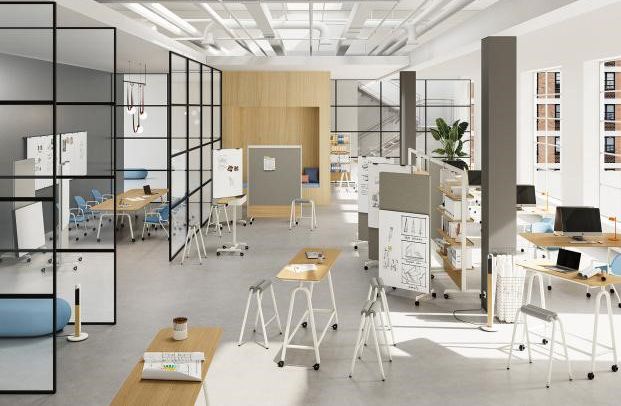
The key to flexible working lies in transforming the office from a 'static archive' into a vibrant, LEGO-like field of freely reconfigurable parts. The core idea: fewer fixed desks, more shared and multifunctional zones. With support from professional furniture brands like Yihang, companies can not only control costs effectively but also build an office that attracts talent and sparks innovation—a lasting competitive advantage.