Hazards of Poor-Quality Office Chairs
The hazards of poor-quality office chairs are mainly reflected in two aspects: explosion risks and health hazards, seriously threatening the personal safety and physical health of users.

I. Explosion Risks: Fatal Injuries Caused by Design Flaws in Pneumatic Rods
Pneumatic rods in poor-quality office chairs have defects such as overly thin tube walls, insufficient purity of inert gases, or replacement with compressed air. When users frequently adjust the seat height, the gas inside the pneumatic rod generates intense friction due to rapid compression and expansion, causing a sudden temperature rise. If the material or gas of the pneumatic rod does not meet standards, the internal pressure may exceed the critical value, triggering an explosion. The impact force of such accidents is extremely strong and has caused multiple cases of severe limb penetrating injuries. For example, in 2013, a woman using a swivel chair suffered a 3-centimeter-wide steel column piercing through her body when the pneumatic rod burst. Doctors removed more than ten metal fragments from her body. Such cases demonstrate that the explosion risk of poor-quality pneumatic rods is not a theoretical assumption but a real safety hazard.
II. Health Hazards: Poor-Quality Materials Cause Physical Discomfort and Even Diseases
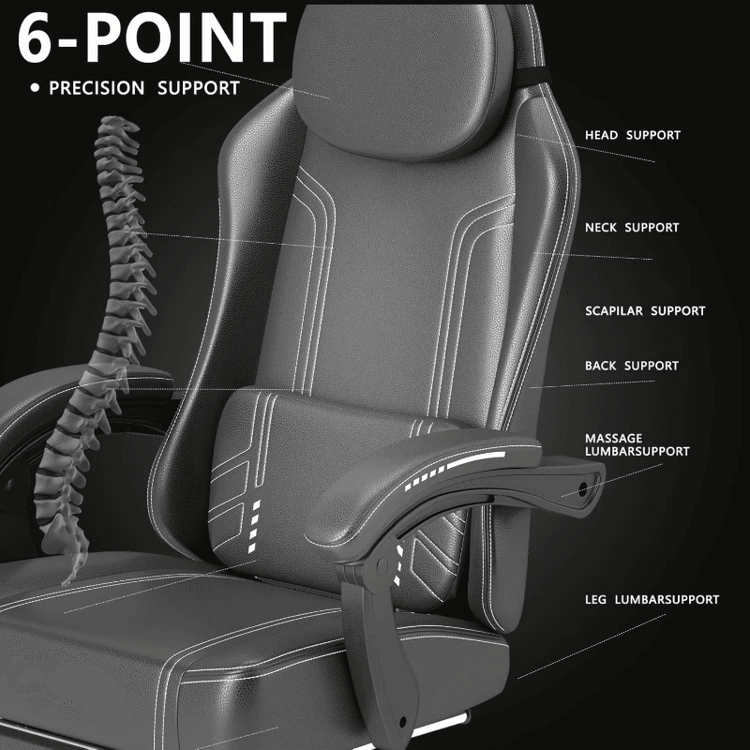
To reduce costs, poor-quality office chairs often use recycled plastics, industrial waste, and other "black-hearted scrap materials" as fillers or structural materials. These materials may contain harmful chemicals such as formaldehyde and benzene. Long-term exposure can irritate the respiratory tract and skin, triggering allergic reactions. Additionally, the poor support of these materials fails to conform to the natural curve of the human spine, leading to concentrated pressure on the waist and neck during prolonged sitting, causing muscle fatigue, herniated discs, and other issues. Some users have experienced symptoms such as dizziness and nausea after long-term use of such chairs and even required medical treatment. More seriously, the poor breathability of these materials facilitates bacterial growth, increasing the risk of skin infections, especially for individuals with weaker immune systems.
In conclusion, the hazards of poor-quality office chairs involve both physical safety and health risks. Consumers should prioritize products that have passed safety certifications when purchasing to avoid unnecessary losses.