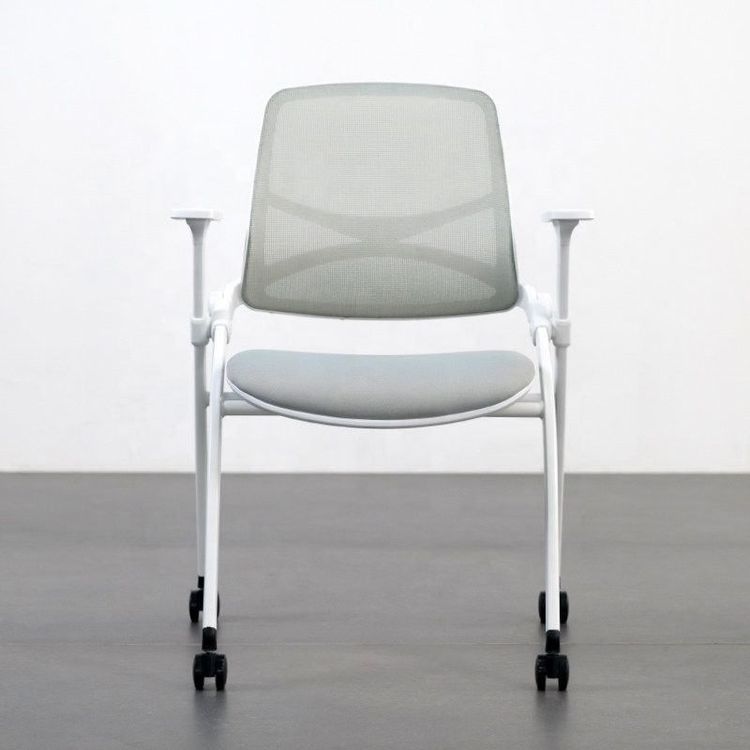
Bottom Structure of a Good Office Chair
The bottom structure of a good office chair typically includes four core components: the chassis, gas lift, five-star base, and casters. These components collectively ensure the chair's adjustability, support, and mobility.

Chassis: The Brain
The chassis is the key structure connecting the seat, gas lift, and five-star base, usually made of welded low-carbon steel pipes or die-cast aluminum alloy. Its core functions include seat height adjustment, backrest recline, recline angle locking, and recline tension adjustment. High-end chassis (such as synchronized or synchronous tilt mechanisms) also feature synchronized tilting, where the backrest and seat cushion intelligently move together when the user reclines, automatically maintaining proper lumbar support and avoiding the waist fatigue caused by traditional chairs' "hanging" effect.Gas Lift: The Powerhouse
The gas lift enables seat height adjustment through high-pressure nitrogen. Inside, a sealed steel cylinder is divided into upper and lower chambers by a piston, filled with high-purity (≥99%) nitrogen gas. Safety is crucial; legitimate products must pass international safety certifications like SGS and BIFMA and undergo at least 120,000 explosion-proof fatigue tests. Poor-quality gas lifts may pose explosion risks due to insufficient nitrogen purity or poor sealing, so always check for certification marks when purchasing.Five-Star Base: The Foundation of Safety
The material of the five-star base directly affects load-bearing capacity and stability. Among common materials, nylon is lightweight and corrosion-resistant but has limited load-bearing capacity; steel offers strong load-bearing but risks poor-quality electroplated layers flaking off; aluminum alloy provides the best overall performance, combining high load-bearing capacity, corrosion resistance, stability, and a refined appearance. The recommended purchase priority is: aluminum alloy > steel > nylon, especially avoiding inferior five-star bases made from recycled plastic or thin-walled metal.Casters: The Mobility Joints
The material of the casters determines smoothness of movement, noise level, and floor protection. Nylon wheels offer good cost-effectiveness, being wear-resistant and strong, suitable for most floors; PU wheels are quieter and friendlier to wooden floors but cost more; metal wheels are durable but prone to scratching floors and should be chosen with caution. Additionally, the quality of the caster bearings affects service life, with high-quality bearings reducing stuttering and noise.
In addition to these core components, some office chair bottoms also include gas rods (assisting with height adjustment and rotation) and chair feet (the thickness of the iron frame affects service life). These components work together precisely to ensure the office chair's comfort, safety, and durability, meeting the demands of long hours of work.