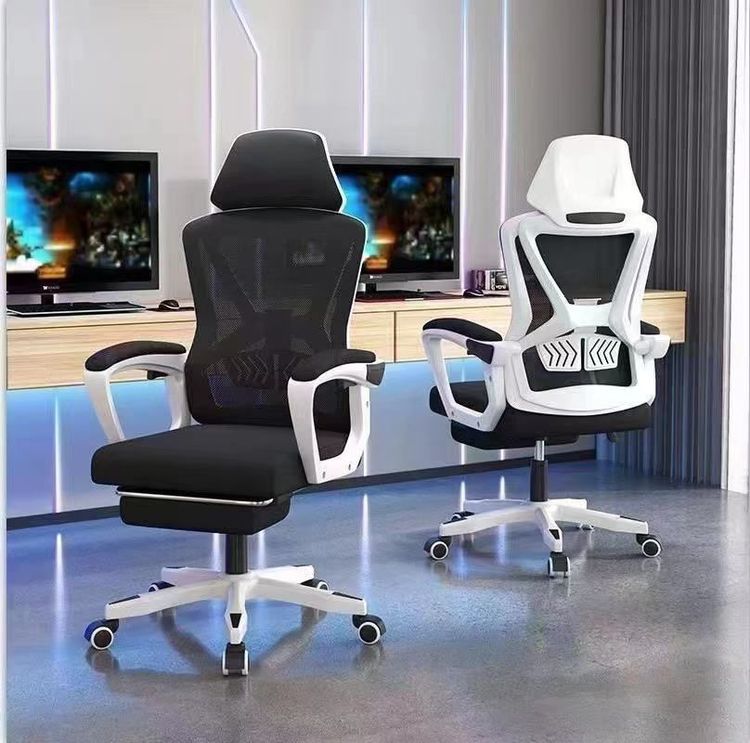
Ergonomic Office Chair: Top Options & Buying Tips
Choosing the best ergonomic office chair and making a purchase decision requires a comprehensive consideration of functional needs, brand reputation, and health benefits. The following provides an explanation from three aspects: product recommendations, key purchasing considerations, and health value.

I. Top Product Recommendations
- Data-Driven Recommended Models: You can refer to guides such as "Best Ergonomic Chairs: Top Picks for Comfort & Support" and "Best Ergonomic Chairs of 2024". These articles select models covering different budgets (e.g., entry-level, mid-to-high-end) and functional needs (e.g., support for heavy individuals, lumbar reinforcement) based on user feedback, material testing, and long-term usage data, making them suitable for quickly locating target products.
- Comparison of Highly-Rated Brands: User reviews on communities like Reddit show that Herman Miller (e.g., Aeron and Embody series) and Steelcase (e.g., Gesture and Leap series) are brands that consistently rank high in recommendations. Their advantages lie in mature ergonomic designs (e.g., dynamic support technology), strong material durability (e.g., aluminum alloy frames, breathable mesh fabrics), and offering warranties of over 10 years, making them suitable for users seeking long-term investments.
II. Key Purchasing Considerations
- Functional Priorities:
- Real-Time Support: Choose models with adaptive lumbar supports or adjustable sacral supports that can dynamically conform to the spinal curve as your sitting posture changes, reducing lumbar pressure.
- Adjustable Dimensions: Prioritize models that support headrest height/angle, armrest front/back/rotation, seat depth, and backrest tilt (at least 4 positions) adjustments to ensure that users of different body types can customize a comfortable sitting posture.
- Durability: Pay attention to the chassis material (e.g., steel), gas lift certification (e.g., BIFMA standards), and fabric tear resistance to avoid sagging or abnormal noises after long-term use.
- Scenario-Based Needs:
- If you need to take a nap or sit for long periods, you can choose models with an integrated footrest to disperse body pressure by elevating your legs.
- European users should combine local brands (e.g., HAG in Germany, Kinnarps in Sweden) with international brand purchasing guides, focusing on comparing logistics costs, after-sales coverage, and compliance with EU environmental standards (e.g., REACH certification).
III. Health and Efficiency Value
- Posture Correction and Fatigue Relief: Ergonomic chairs reduce muscle compensatory force by enforcing an "S-shaped" spinal curve. Experimental data shows that they can reduce long-term sitting fatigue by 30%-50%, making them especially suitable for professions that require long periods of concentration, such as programmers and designers.
- Applicability of Special Designs: Backless designs (e.g., kneeling chairs, balance balls) maintain balance by activating core muscles, suitable for short-term use (e.g., within 1 hour) or users with strong core strength. However, long-term use may lead to posture deformation due to muscle fatigue, so caution is advised.
Summary: When purchasing, clarify your budget range, prioritize testing core functions (e.g., lumbar support strength, armrest adjustment range), and refer to brand after-sales policies (e.g., trial periods, return and exchange conditions). In terms of health benefits, while ergonomic chairs cannot completely replace exercise, they can serve as a basic tool for improving the harms of prolonged sitting.