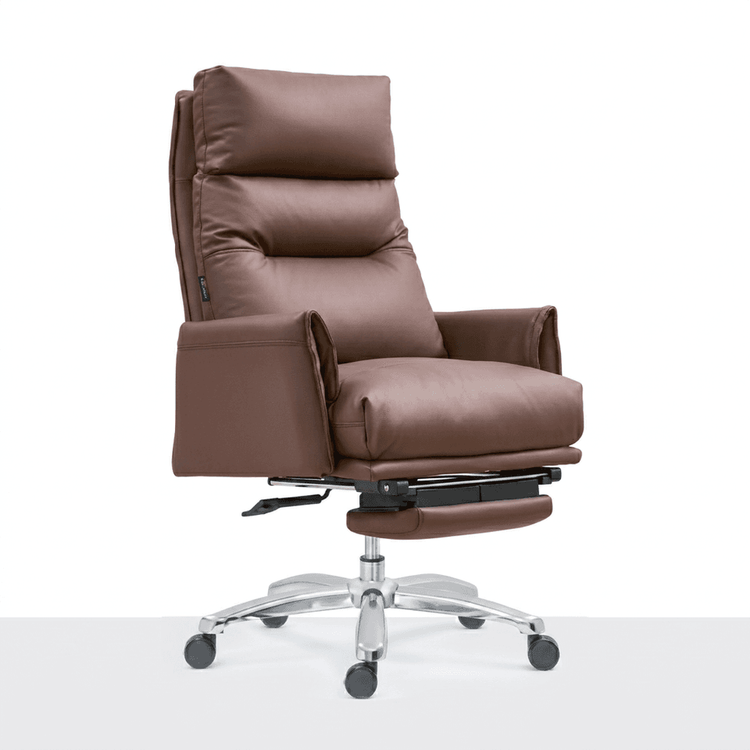
Cherish Office Chairs
Cherishing office chairs requires a comprehensive approach, including standardized use, proper adjustment, and adherence to regulations, to extend their lifespan and safeguard personal health.

1. Comply with Company Regulations and Clarify Custodial Responsibilities
Companies establish norms such as the "Office Equipment Usage Regulations" to clarify employees' custodial responsibilities for office equipment, including office chairs. For instance, after a company's party committee replaced 600 new office chairs for secondary units, employees voluntarily committed to cherishing the equipment, repaying the company's care with practical actions. Employees should strictly adhere to such regulations to prevent premature equipment failure due to human-induced damage (e.g., scratching, violent use), thereby reducing the company's maintenance or replacement costs.
2. Adjust Usage According to Ergonomic Principles
High-quality office chairs, such as HermanMiller's Aeron Chair and Embody series, typically feature ergonomic designs that can be adjusted for headrests, lumbar supports, armrests, seat height, and tilt functions to accommodate different body types and usage scenarios.
- Proper Adjustment: Adjust the seat height according to your height so that your feet rest flat on the ground and your knees are at a 90-degree angle; the lumbar support should conform to the curve of your lumbar spine to prevent fatigue from prolonged sitting; the armrest height should be level with the desktop to reduce shoulder and neck strain.
- Avoid Misuse: Do not use office chairs as ladders, sports equipment, or non-seating items to prevent structural deformation (e.g., wheel detachment, gas lift damage).
3. Follow Item Management Regulations to Maintain Durability
Office item management regulations require "cherishing use and timely return" of durable items such as office chairs. Specific practices include:
- Handle with Care: Avoid dragging office chairs when moving them to prevent wear on the wheels or legs; lift them when carrying to reduce ground friction.
- Regular Cleaning: Wipe dust with a dry cloth and avoid liquid spills; if stains occur, use specialized cleaners according to the material (e.g., mesh, leather).
- Timely Repairs: Contact the logistics department for repairs when looseness, abnormal noises, or functional failures are detected; do not disassemble them yourself to avoid further damage.
4. Cultivate Long-Term Care Awareness
Cherishing office chairs is not only about following rules but also about taking responsibility for one's health. Poor usage habits (e.g., prolonged slouching, not adjusting the lumbar support) can lead to occupational diseases such as lumbar disc herniation and cervical spondylosis, while proper use of ergonomic chairs can reduce the risk of musculoskeletal injuries by more than 50%. Employees should regard caring for equipment as part of their professional ethics and develop a virtuous habit of "checking before use, adjusting during use, and returning after use."
Through regulatory constraints, scientific use, and proactive maintenance, the lifespan of office chairs can be extended by 3-5 years, creating a healthier and more efficient office environment for employees.