Chair, Office Chair, Sofa
Office chairs, executive chairs, and sofas exhibit cross-functional and design integration, with some high-end products capable of meeting both office and leisure needs. The following analysis explores product characteristics, functional positioning, and design differences across three dimensions:

1. High-end executive chairs combine sofa-like texture with office functionality
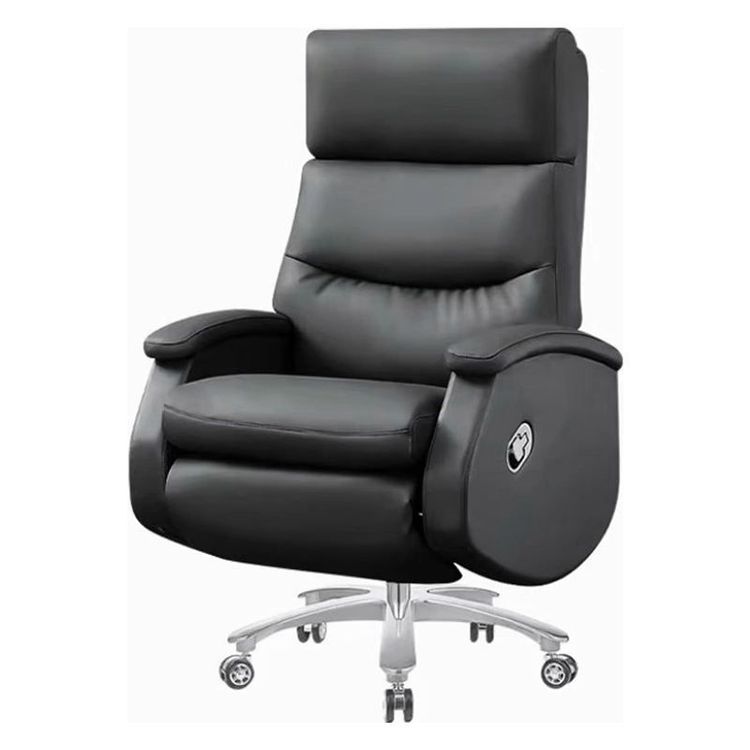
Take the Livorno S02 executive chair as an example. Its design integrates aviation seat technology with genuine leather sofa elements, creating a luxurious feel close to that of a sofa through European imported top-grain cowhide and PVP synthetic leather. Functionally, it is equipped with ventilation, heating, and massage systems, with electric adjustment for headrests and backrests to meet comfort needs during long hours of office work, while ergonomic design alleviates fatigue from prolonged sitting. Such products break through the single functionality of traditional office chairs, becoming a choice that combines efficiency and comfort in high-end office settings.
2. Ergonomic chairs expand sofa-like leisure scenarios
The Kuka Home computer chair extends the usage scenarios of office chairs to leisure times such as lunch breaks through its 180-degree reclining design. Although positioned as an executive chair, its adjustable backrest and footrest functions blur the boundaries between office chairs and leisure sofa chairs. These products typically use high-elasticity foam or memory foam filling, paired with breathable mesh or skin-friendly fabrics, ensuring support while enhancing sitting comfort, adapting to the need for "sitting-lying" switching in modern office settings.
3. Multifunctional office chairs achieve scenario coverage through modular design
Some multifunctional office chairs achieve a balanced sitting feel with a composite structure filled with 3A plush cotton and foam. Their core innovation lies in modular adjustment functions: adjustable lumbar support height to fit different body types, backrest support for 95-160-degree stepless adjustment to meet office and nap needs, footrest linkage for lying flat mode directly comparable to sofa functionality, and seat depth adjustment to further optimize leg support. Such designs cover multiple scenarios such as office work, meetings, and rest with a single product, reflecting modern furniture's pursuit of spatial efficiency.
4. The essential differences between generalized office chairs and sofas
Despite the trend of functional integration in some products, traditional classifications still have clear boundaries: generalized office chairs encompass all chairs used in office settings, including executive chairs and staff chairs, while narrowly defined, they specifically refer to backrest chairs that support desk work, emphasizing support and ergonomic design; sofas, on the other hand, focus on leisure and relaxation as their core function, enhancing comfort through softer fillings and enveloping designs. The essence of modern product innovation is to introduce sofa elements within the supportive framework of office chairs, rather than completely replacing sofa functionality.