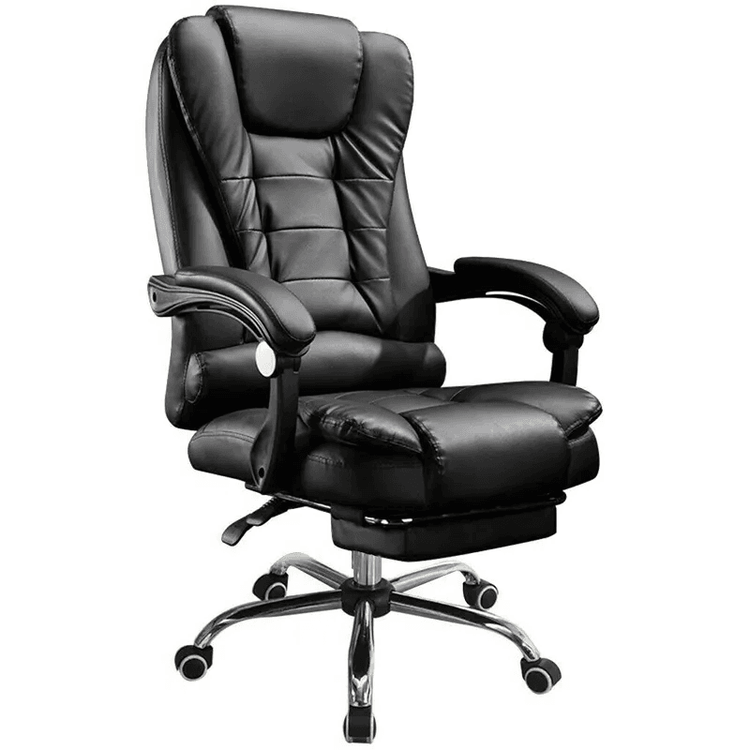
Selection Guide for Office Chairs in Central Administrative Units
The selection of office chairs for central administrative units (central government departments and public institutions) must adhere to the 'Guidelines for Specifications and Performance of General Office Furniture in Central Administrative Units' (hereinafter referred to as the 'Guidelines') and related standards. The core requirements include meeting performance standards, ensuring compliant configuration, using eco-friendly materials, and prioritizing redistribution and sharing or strict approval for procurement.

I. Performance and Safety Standards
According to the 'Guidelines', office chairs must meet three core performance indicators:
- Surface Physical and Chemical Properties: Requirements include wear resistance, corrosion resistance, and aging resistance. For example, seat materials must pass abrasion tests (such as the Martindale method) to ensure long-term use without pilling or damage; metal components must undergo salt spray tests to prevent rusting.
- Mechanical Properties: Focus on load-bearing capacity and stability. Chair frames must pass static load tests (e.g., withstanding 100kg of pressure for 24 hours without deformation), and gas lifts must pass explosion-proof certifications (such as BIFMA standard tests) to avoid safety hazards caused by gas lift explosions.
- Environmental Requirements: Formaldehyde emissions must comply with the GB 18580-2017 standard (≤0.124mg/m³), and heavy metal content (e.g., lead, cadmium) must be below limit values to ensure indoor air quality safety.
II. Configuration and Procurement Principles
- Specification Compatibility: Office chair dimensions must match the office space area. For example, chairs paired with single-person desks should have a recommended width of 45-55cm to avoid occupying excessive space or hindering movement.
- Quantity and Price Limits: Units must configure chairs based on actual needs and must not exceed standards. For example, each workstation in a general employee office should be equipped with one chair, while leadership offices may have 1-2 chairs, but the total price must not exceed the unit price limit specified in the 'Guidelines' (e.g., no more than 800 yuan per general office chair).
- Procurement Process: Priority should be given to redistribution and sharing within the unit; if new purchases are necessary, a procurement application must be submitted, reviewed by the finance and asset management departments, and then procured through government procurement platforms or designated suppliers to ensure compliance with procedures.
III. Material and Type Selection
- Ergonomic Chairs: Suitable for long-hour office scenarios, equipped with adjustable headrests, lumbar supports, armrests, etc., and supporting multi-angle recline (e.g., 120°-135°) to alleviate prolonged sitting fatigue. For example, some products feature intelligent lumbar support systems that automatically adjust support intensity based on sitting posture.
- Solid Wood Office Chairs: Often used in conference rooms or leadership offices, requiring eco-friendly painted solid wood frames (e.g., oak, walnut) paired with breathable mesh or genuine leather seat cushions for a balance of texture and comfort.
- Material Certifications: Upholstery must pass OEKO-TEX Standard 100 certification (free from harmful substances), and chair legs must be made of nylon or aluminum alloy to ensure load-bearing capacity and wear resistance.
Note: Professional office chairs for educational, medical, and other public institutions (e.g., laboratory swivel chairs, surgical chairs) may refer to industry-specific regulations and are not mandated to comply with the 'Guidelines'. For specific procurement details, consult the National Government Offices Administration or refer to the original 'Guidelines'.