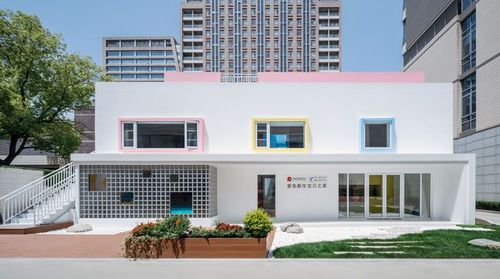
Building a Healthy Workplace in Three Dimensions
The newly released White Paper on the Health of Urban White-Collar Workers in China shows that as many as 76% of white-collar workers in China's major cities are in a state of sub-health, nearly 60% are overworked, and fewer than 30% are genuinely healthy.
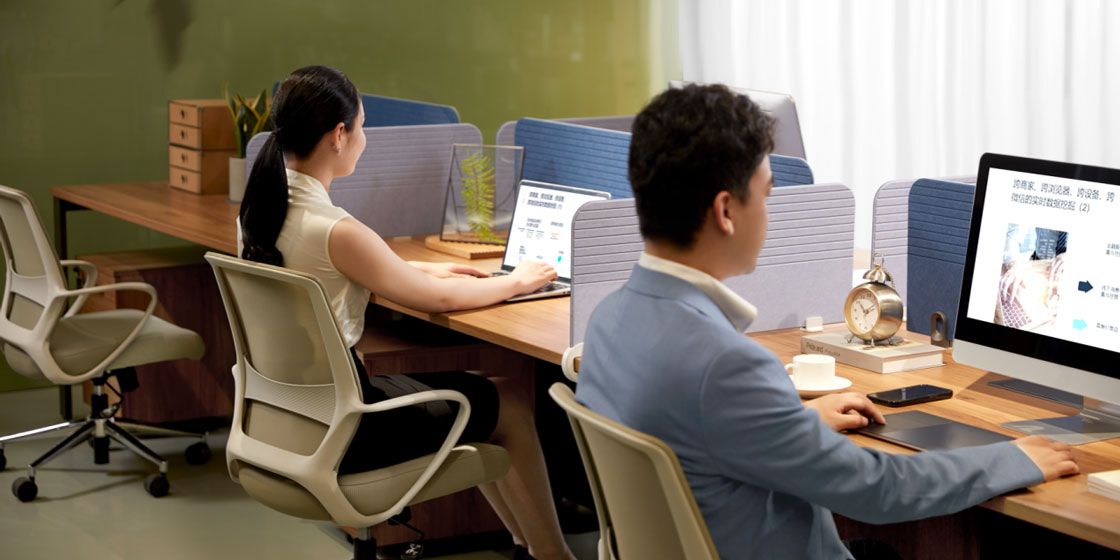
Yet high-intensity work is often unavoidable. Statistics show that among white-collar workers, 90% work more than 8 hours a day, 62.3% work more than 10 hours, and 20% work more than 12 hours. As people spend more and more time in the office, building a workplace that supports physical and mental well-being has become increasingly important. Yihang's R&D team has summarized three dimensions in which office environment design affects well-being — let's take a look!
1. Design Informal Social Environments to Foster Innovation
The capacity for optimism and positivity is especially critical for the kind of work today's businesses need — creativity and innovation. It influences a range of behaviors, such as seeing the big picture, exploring new ideas, thinking openly, and being willing to take risks. In today's economy, positive and optimistic employees are more likely to become highly productive ones.
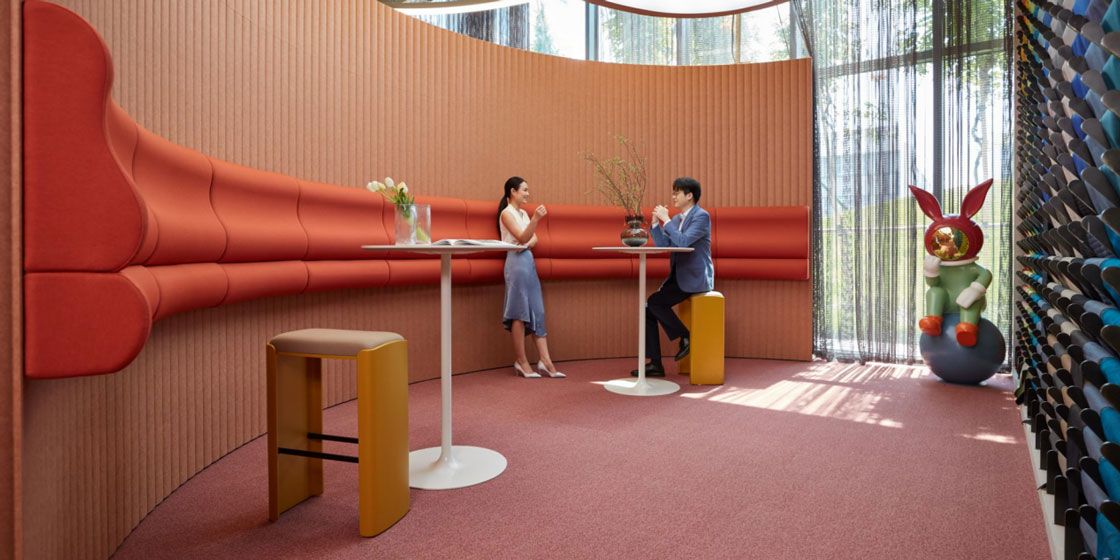
By designing informal social environments, you can support human connection: give people the choice and control over where and how they work; allow for personalized spaces unconstrained by office standards; use functional layouts and sightlines that make people feel supported in their work; and embrace transparent design, where people can see one another and build trust.
2. Design Dedicated Spaces to Encourage Full Engagement
Being fully present means balancing the hectic pace of life while devoting complete attention to the moment at hand. Today's technology makes multitasking possible in countless ways — yet at the same time it keeps people from focusing on any one thing.
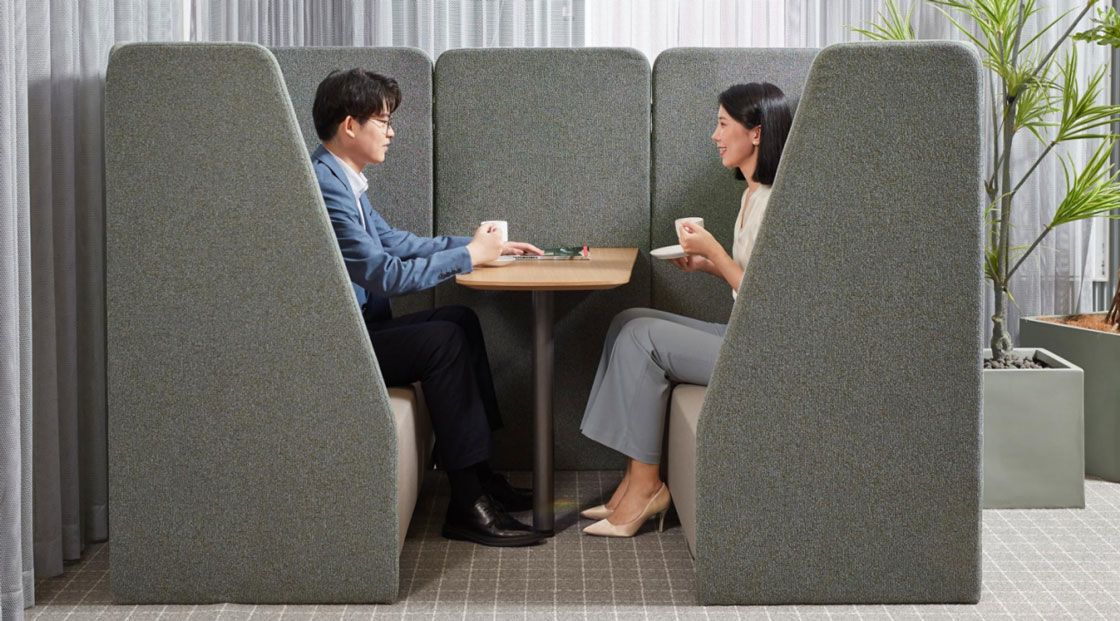
Dedicated spaces are suited both to concentrated work and to one-on-one conversations. Design spaces that bring people face to face; create areas where employees can freely adjust sensory stimuli — through materials, colors, lighting, and more — offering calm, soothing settings where conversations can proceed uninterrupted and undisturbed.
3. Design Spaces with a Sense of Belonging to Encourage Self-Expression
Physical and mental well-being is cultivated through self-expression. At work and in life alike, people cherish the freedom to be themselves. Employees need spaces where they feel a sense of belonging to the company culture and are encouraged to voice their own ideas and values.
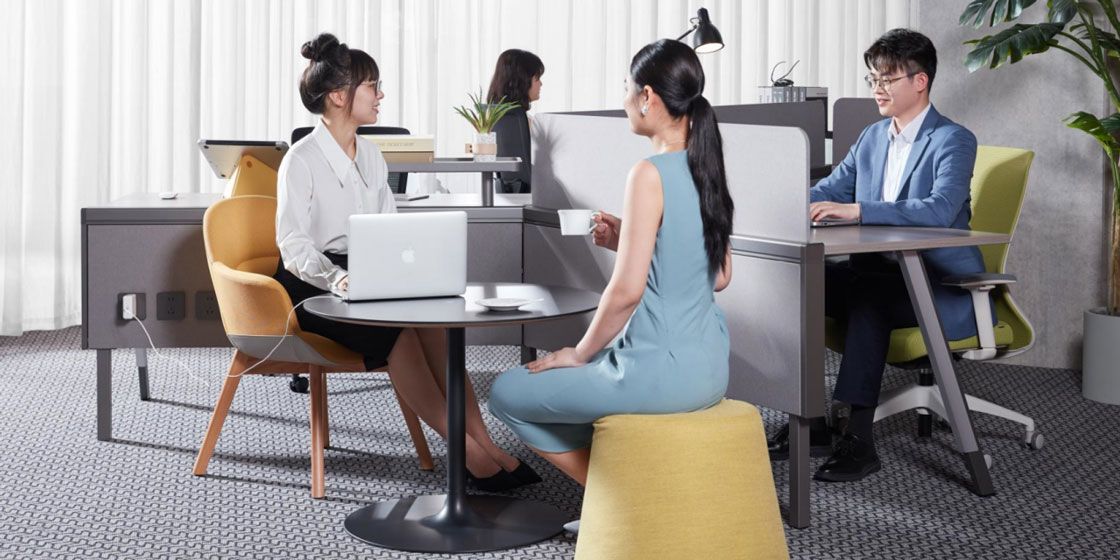
Enable colleagues to communicate informally, whether to socialize or to share ideas. Create spaces that help people express themselves comfortably and share openly, incorporating informal, unrestricted environments that feel just like home. Design spaces that connect personal values with the brand's values.
Well-being is a systematic, holistic concept that integrates people's physical, mental, and psychological needs. Workplaces should be designed with these dimensions in mind in order to promote employees' health and well-being.
You may also like
Championing Formaldehyde-Free Offices: Yihang's Healthy Work Mission Upgraded
Read More
Back to the 60s? Reinventing the Cubicle
Read More
European Designer Interview: Uncovering the Fun of Office Furniture
Read More