Are Office Chairs Healthy?
Whether office chairs are healthy depends on various factors and cannot be generalized.

Traditional Office Chairs Pose Health Risks
Traditional office chairs often adopt a 'static support' design, which frequently leads to a gap between the lower back and the chair and a forward-tilting neck. When sitting for long periods with incorrect posture, the pressure on the lumbar spine significantly increases. Being in this overloaded state for a long time can gradually cause problems with the cervical spine. According to statistics, over 65% of office workers are troubled by lumbar spine issues. In addition, some traditional office chairs on the market also have safety hazards, such as backrest breakage and bolt failure, which may cause users to fall and get injured.
New-Generation Smart Office Chairs Are Beneficial to Health
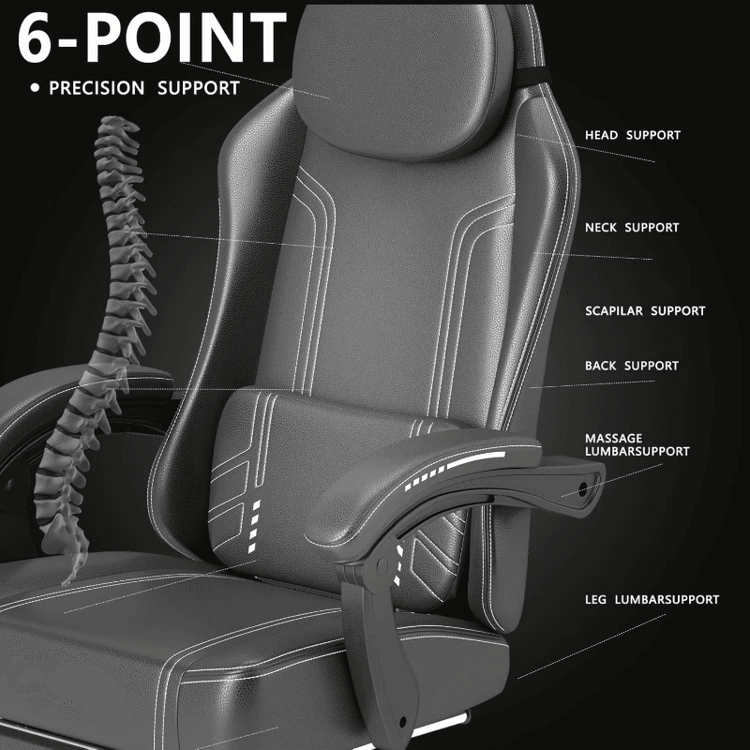
New-generation smart office chairs, through pressure-sensing systems and dynamic adjustment functions, can perceive changes in sitting posture in real time and reduce the pressure on the spine. They can also remind users to change their sitting posture in a timely manner, avoid staying in the same position for a long time, and remind them not to sit for too long. Some smart office chairs are also equipped with massage functions, which can relax tense muscles, reduce strain and pain, and are relatively beneficial to users' health.
Ergonomically Designed Office Chairs Are Healthier
Choosing an office chair with an ergonomic design is also crucial. Such chairs can provide dynamic lumbar support, conform to the S-shaped curve of the lumbar spine in real time, and have multiple adjustment levels. For users weighing over 80 kilograms, they can provide more reliable support, helping to maintain correct sitting posture and reduce pressure on various parts of the body.
Developing Good Usage Habits Is Essential
Even when using a healthy office chair, developing good usage habits is indispensable. It is recommended that the total daily sitting time should not exceed 6 hours. Get up and move around, stretch your body at regular intervals to promote blood circulation and relieve muscle stiffness. This can further reduce the health risks associated with prolonged sitting.