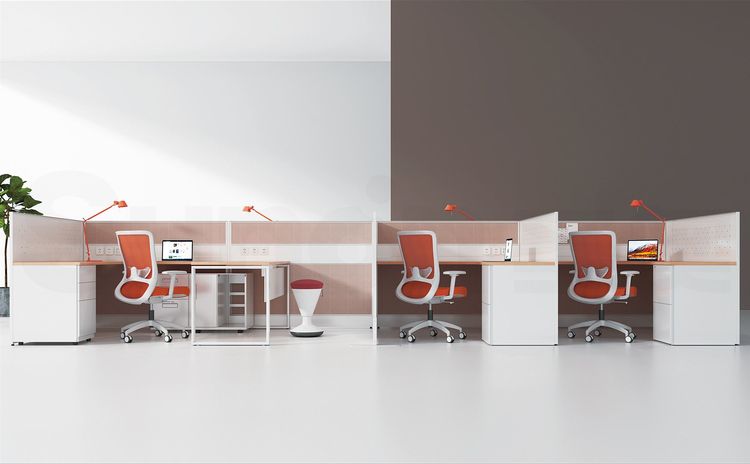
An Introduction to Co-Working, the Mainstream Office Model
In 2005, the American entrepreneur Brad Neuberg introduced the concept of co-working — nearly 20 years ago now. He proposed converting a company office into a shared space where different companies and entrepreneurs could work side by side, sharing resources and experience, driving innovation, and achieving greater success together. Since then, co-working has grown across the globe and become a mainstream model for how companies work.
1. What Is Co-Working?
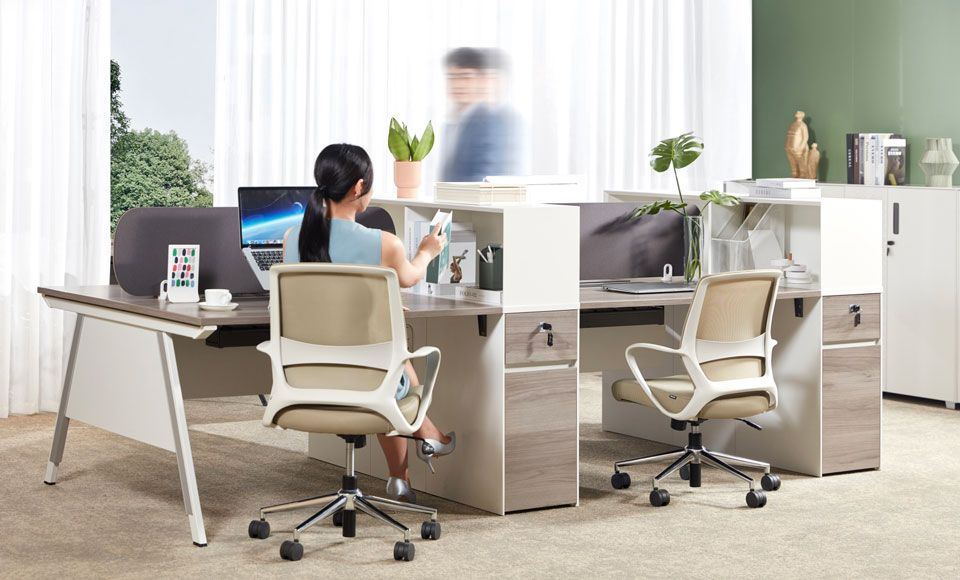
Co-working, also known as shared office working, is broadly speaking a new office model in which workspace is shared to reduce rental costs. Unlike the traditional model, the space no longer belongs to a single company: many companies and individuals "pool" together and share one working environment. By renting just a workstation, members share common areas as well as administrative facilities such as the network, printing, and a front desk. Flexible lease terms and workstation rental options make it especially well suited to the needs of startups and small businesses.
In practice, it doesn't have to mean sharing an open-plan environment — it can also be achieved through clever technology platforms or by physically occupying a neighboring company's space. It raises work efficiency, cuts costs, and strengthens cooperation and exchange between companies, offering entrepreneurs a highly attractive working environment.
2. Which Types of Companies Choose Co-Working?
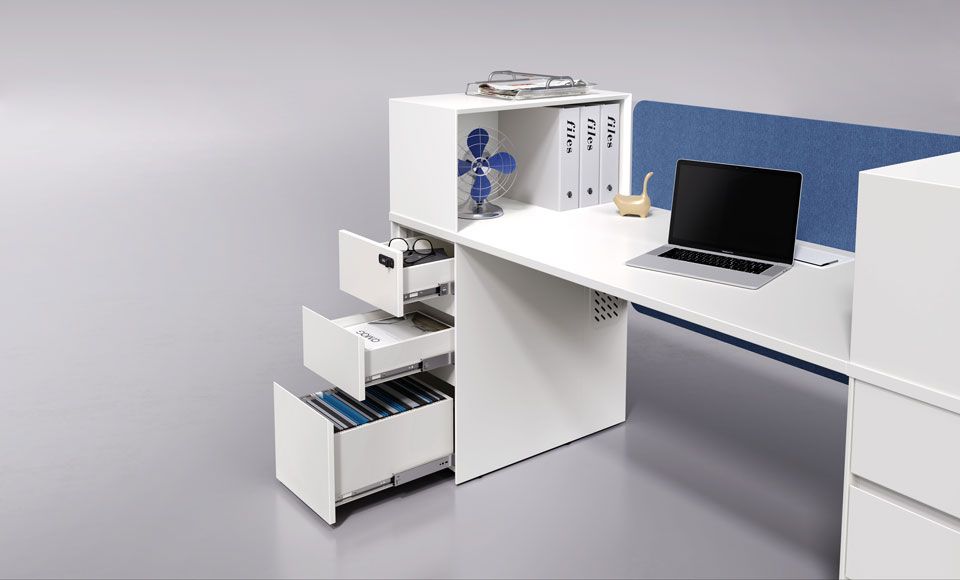
Generally speaking, startups and independent entrepreneurs favor the co-working model, seeing it as a low-cost, highly flexible workplace solution that encourages collaboration. But the idea is also beginning to appeal to some large companies as an alternative to traditional office space, with individuals from different companies working alongside one another in co-working spaces.
In specially designed and arranged spaces, members share the environment while working independently on their own projects. Workers can share information, knowledge, skills, and ideas with other teams and expand their professional networks — advantages that are drawing large enterprises to the model as well.
3. What Are the Advantages of Co-Working?
In recent years, office towers in major cities have been built taller and larger, and rents have kept climbing. Increasingly, companies find CBD office rents hard to bear and are relocating to newly built creative parks or more outlying office buildings. Meanwhile, the growth of the internet — social media accounts, online platforms, and short videos — has turned more and more people into self-media creators and freelancers. Some set up their own studios; others work from home. But working from home has real limitations and is often inconvenient — say, when receiving clients or holding meetings with partners — which hurts productivity.
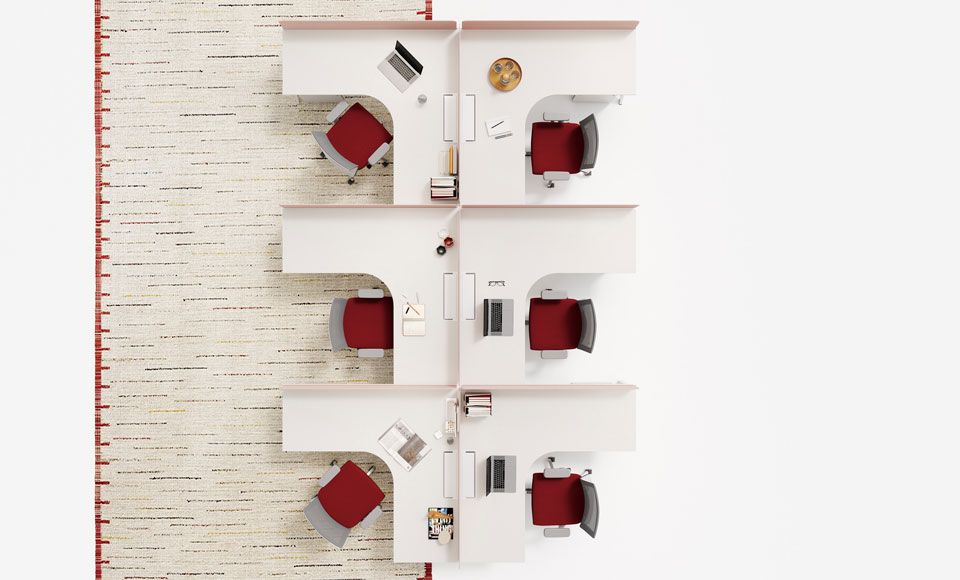
This is what has fueled the rise of co-working spaces, which have developed rapidly in major cities. With short- and long-term rentals offering mobile workstations, fixed desks, private rooms, meeting rooms, and full office leases, the variety of options keeps vacancy rates low. It is convenient for individuals and companies alike, and it can offer startups a great deal of support on their entrepreneurial journey.